Land and push off
Each stride asks your legs to accept load and then move you forward. Tell Chris whether discomfort appears on landing, push-off, or only later in a run.
 RECOVERYChoose your first visit
RUNNING · AUSTIN, TX
Your running matters, from regular miles to race day. If tightness keeps returning or your stride feels different, bring those concerns to Chris. One-to-one stretch therapy and massage start with your training, your comfort, and what you want to keep doing.
Choose your first visitOne-to-one with Chris · First visit: 60 minutes $165 / 90 minutes $235
Before you visit: symptoms that need medical care ↓
01 / DEMANDS
Your goal might be a first 5K, a marathon, or the weekly runs you enjoy. Tell Chris what you are working toward, where you run, and what has changed in your training.
Each stride asks your legs to accept load and then move you forward. Tell Chris whether discomfort appears on landing, push-off, or only later in a run.
Climbs, descents, and faster efforts change the work at the hips, knees, and ankles. Include these sessions when describing your week.
A new route, shoe change, or increase in distance can change how you feel. Share the pattern across several days, including rest days.
02 / CONCERNS
You can ask for help while you are still running. Tell Chris what keeps returning, when you notice it, and how it affects the runs you want to do.
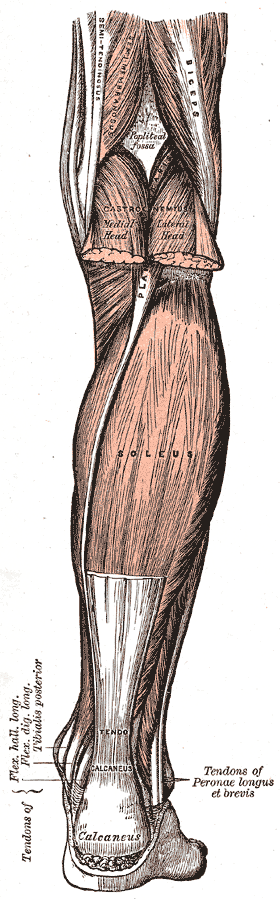
Tell Chris whether pain is under the heel or at the back near the Achilles tendon. First-step pain under the heel or along the arch can occur with plantar fasciitis. Explore calf release, ankle mobility, and optional KT Tape in the condition guide. Heel pain needs assessment if it persists.
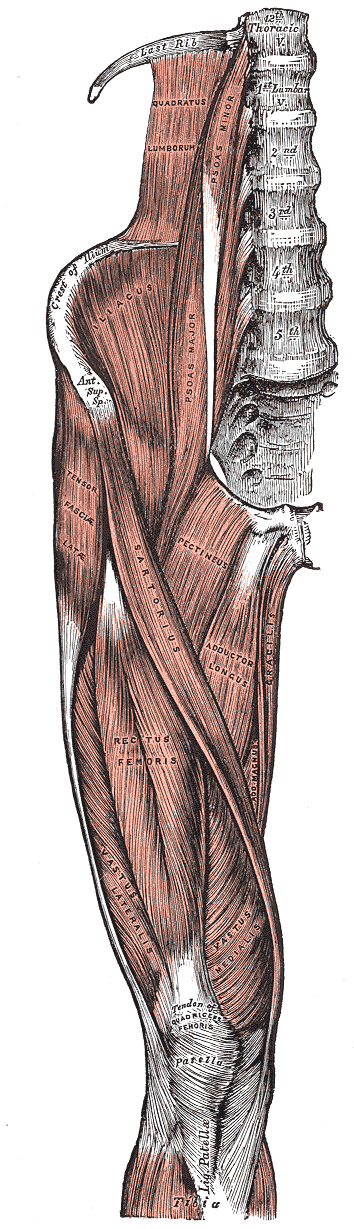
Tell Chris if the front of your hip feels limited in the stride or after a long run. Muscles around the hip help move and support the thigh. Report groin pain, limping, or symptoms that continue with walking.
03 / FST
Start with the part of your stride you want to feel more comfortable. In Fascial Stretch Therapy (FST), Chris uses supported movement, compression, and stretching, with the position, angle, and range shaped by your history and feedback.
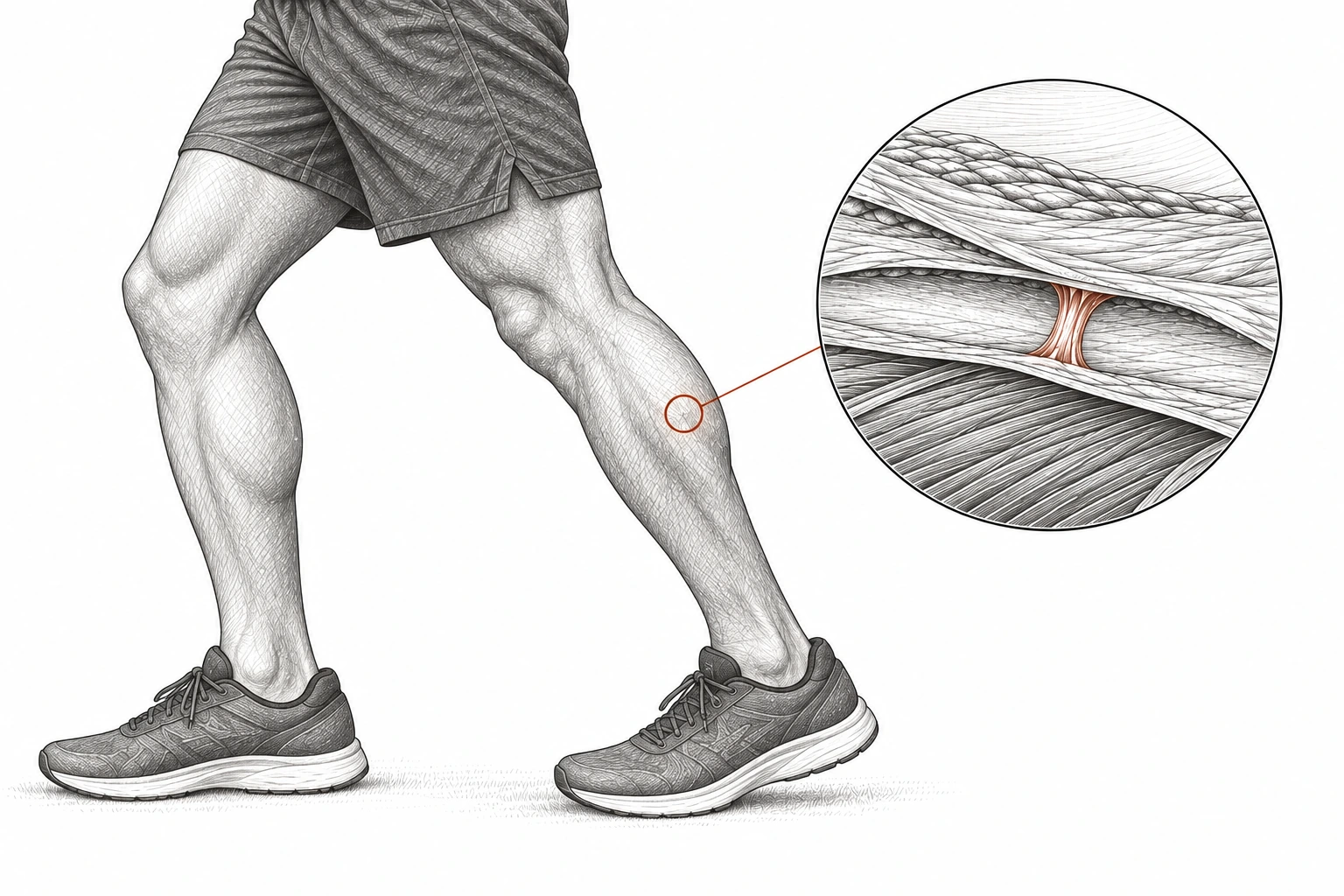
01 / IDENTIFY THE MOVEMENT
Show Chris a short split stance with both feet on the floor, using support if needed. Keep the knees soft and the step small. Describe where you feel pulling; do not turn it into a deep calf or hip stretch. If comfortable, add a small trunk turn while keeping your feet in place.
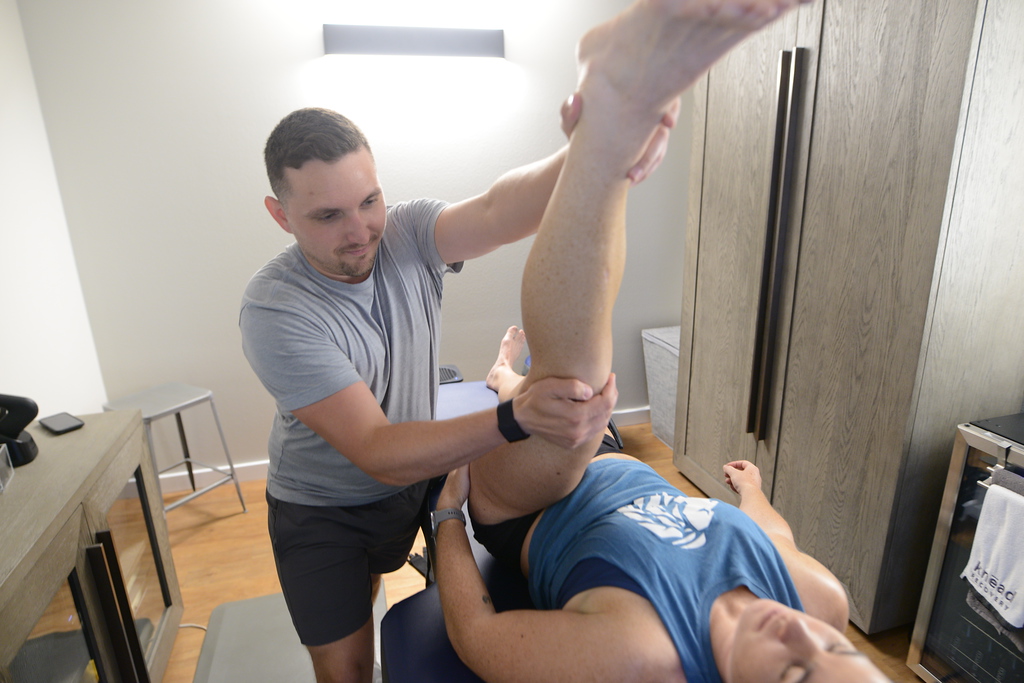
02 / CHRIS GUIDES THE MOVEMENT
On the table, Chris can explore hip, leg, and ankle movement with your body supported. Tell him how it feels as he changes the angle and pace. He can reduce the movement or stop at any point.
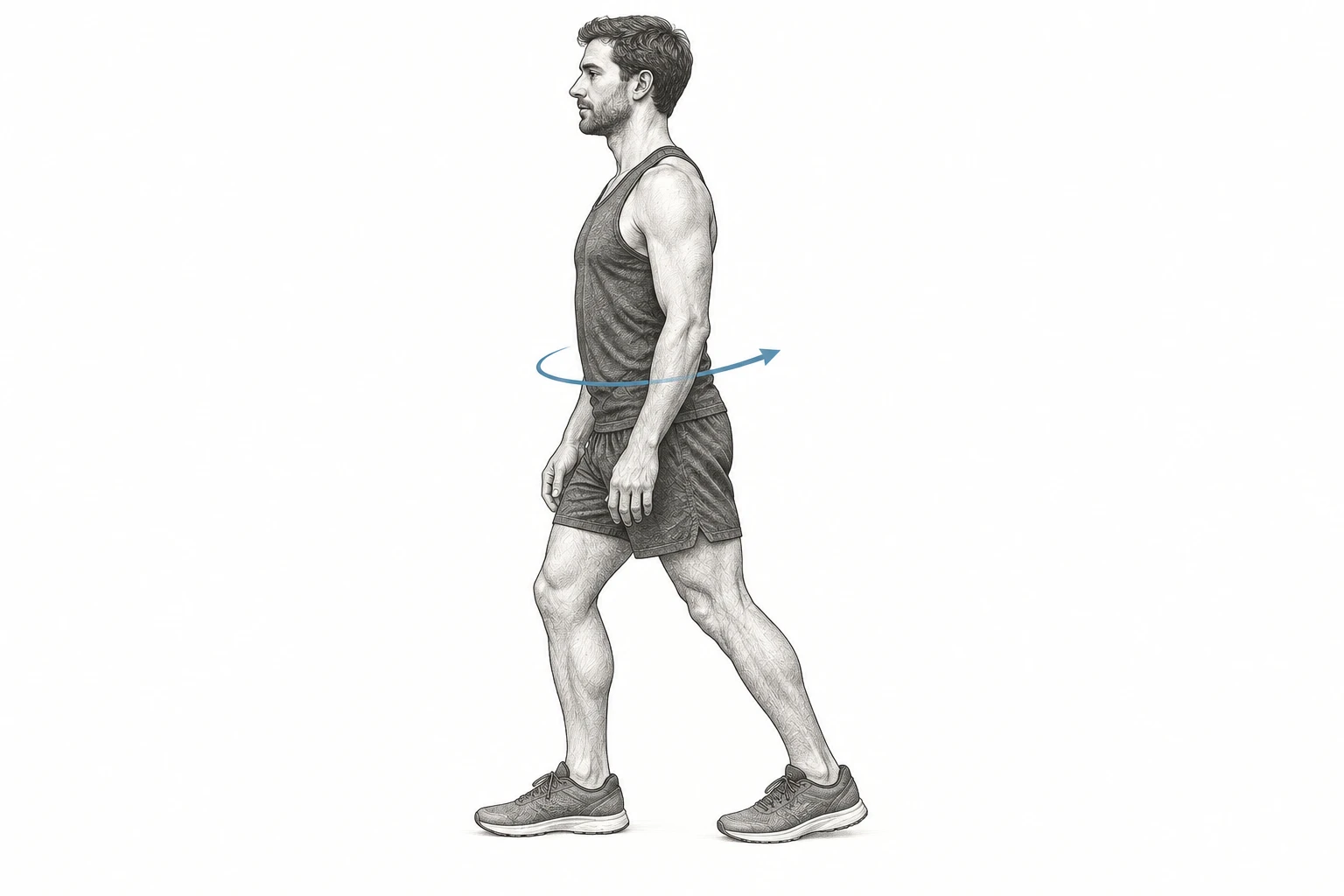
03 / REVIEW WITH CHRIS
Chris will ask you to repeat the same short split stance and small turn. Describe what changed and what still needs attention. The comparison helps guide the next part of the session.
Work with Chris at each visit. He listens to what has changed, adjusts care with your feedback, and reviews the movement with you before you discuss the next step.
04 / OTHER TREATMENTS
You do not need to decide whether your calves, thighs, or hips need stretching or massage. Discuss your running and what you feel with Chris; he explains the options and selects care with you.
Supporting methods are included when selected for FLEX. Optional first-visit tape is $20. Chris explains any charge for another appointment type before you agree to it.
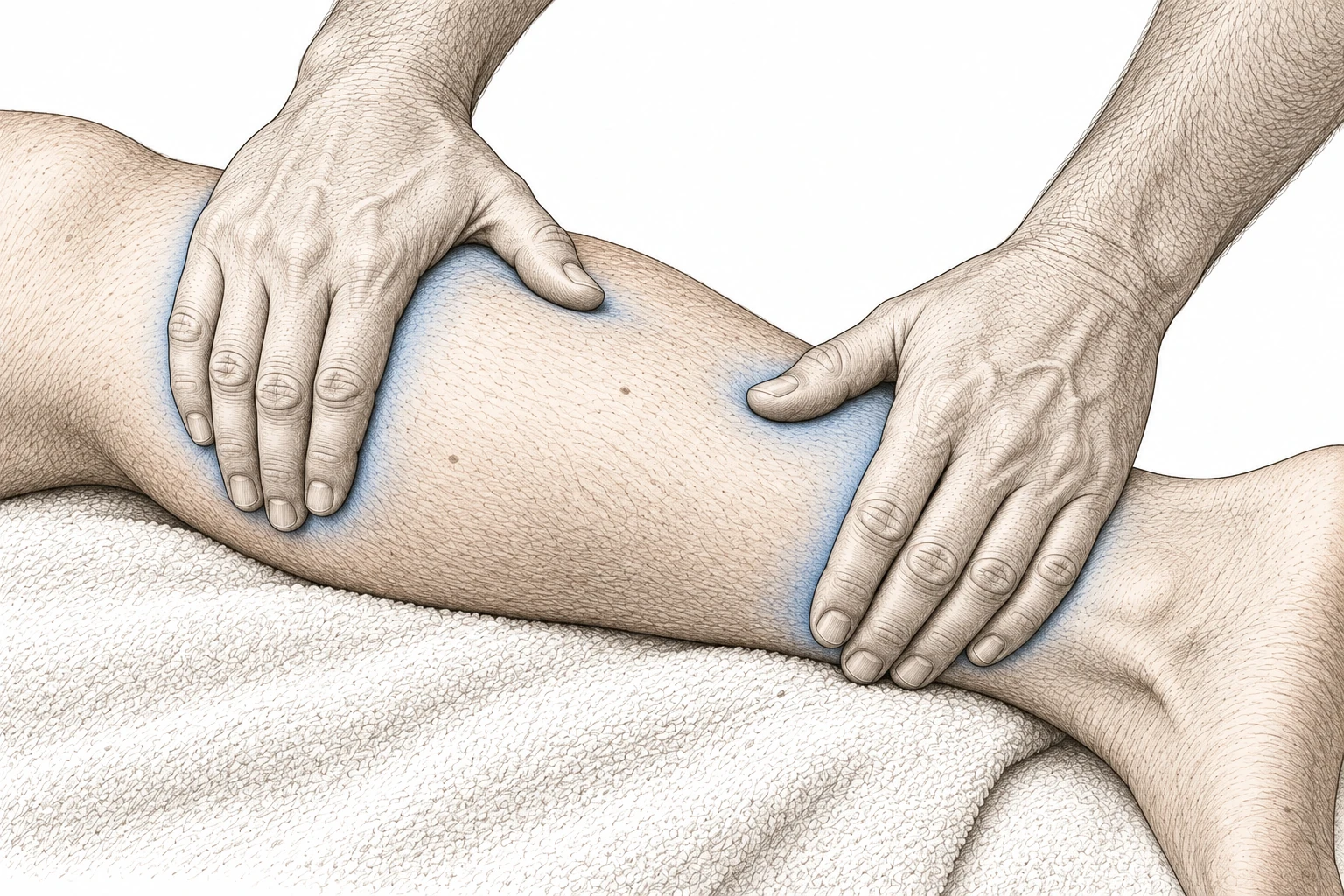
With the area supported, Chris can vary the position and focus massage on your calves, thighs, or hip. Pressure follows your feedback. Massage and FST can share a FLEX session.
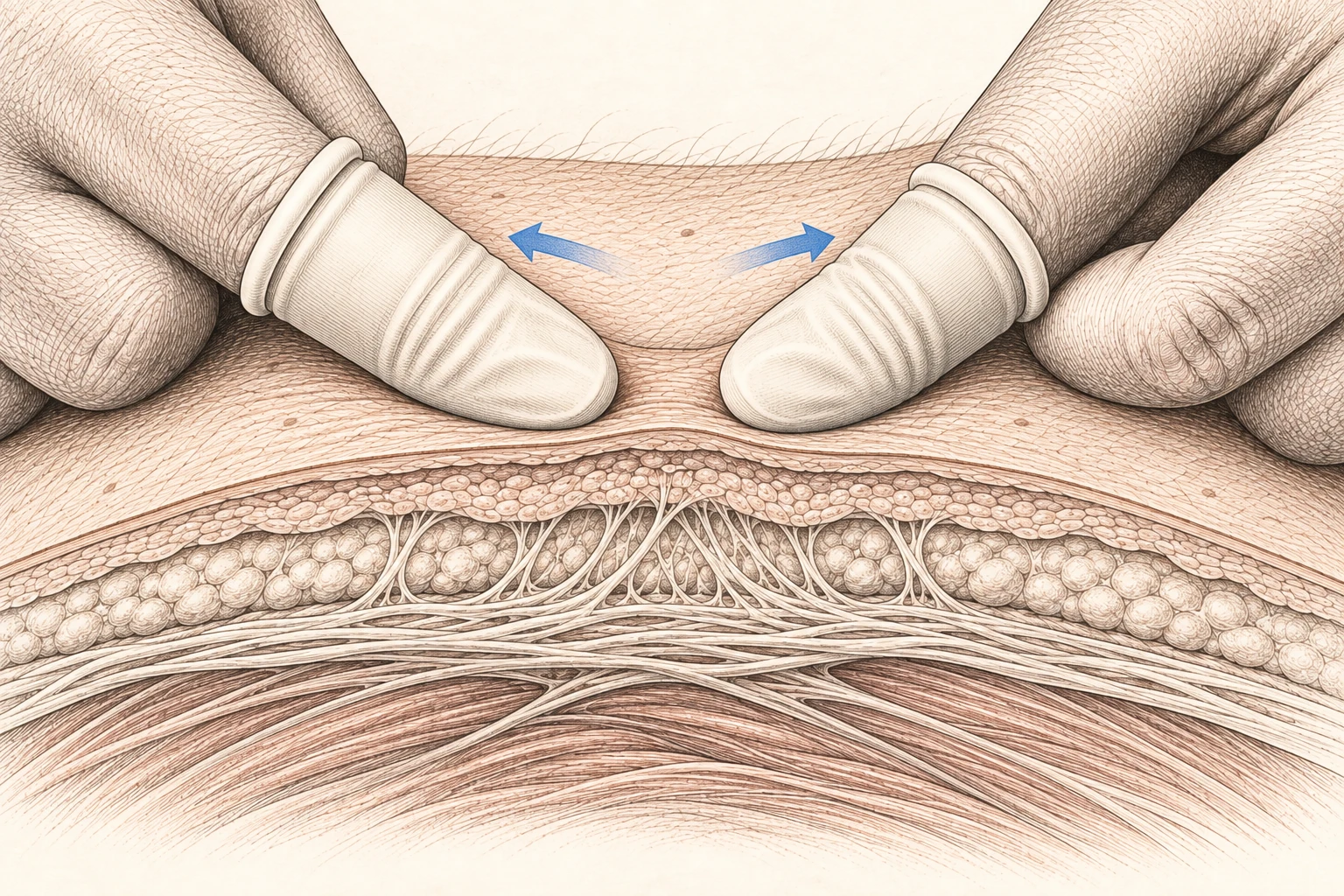
If a local pulling sensation affects a short supported split stance, Chris may try focused skin contact with the area supported. He then asks you to repeat the movement and describe the response.
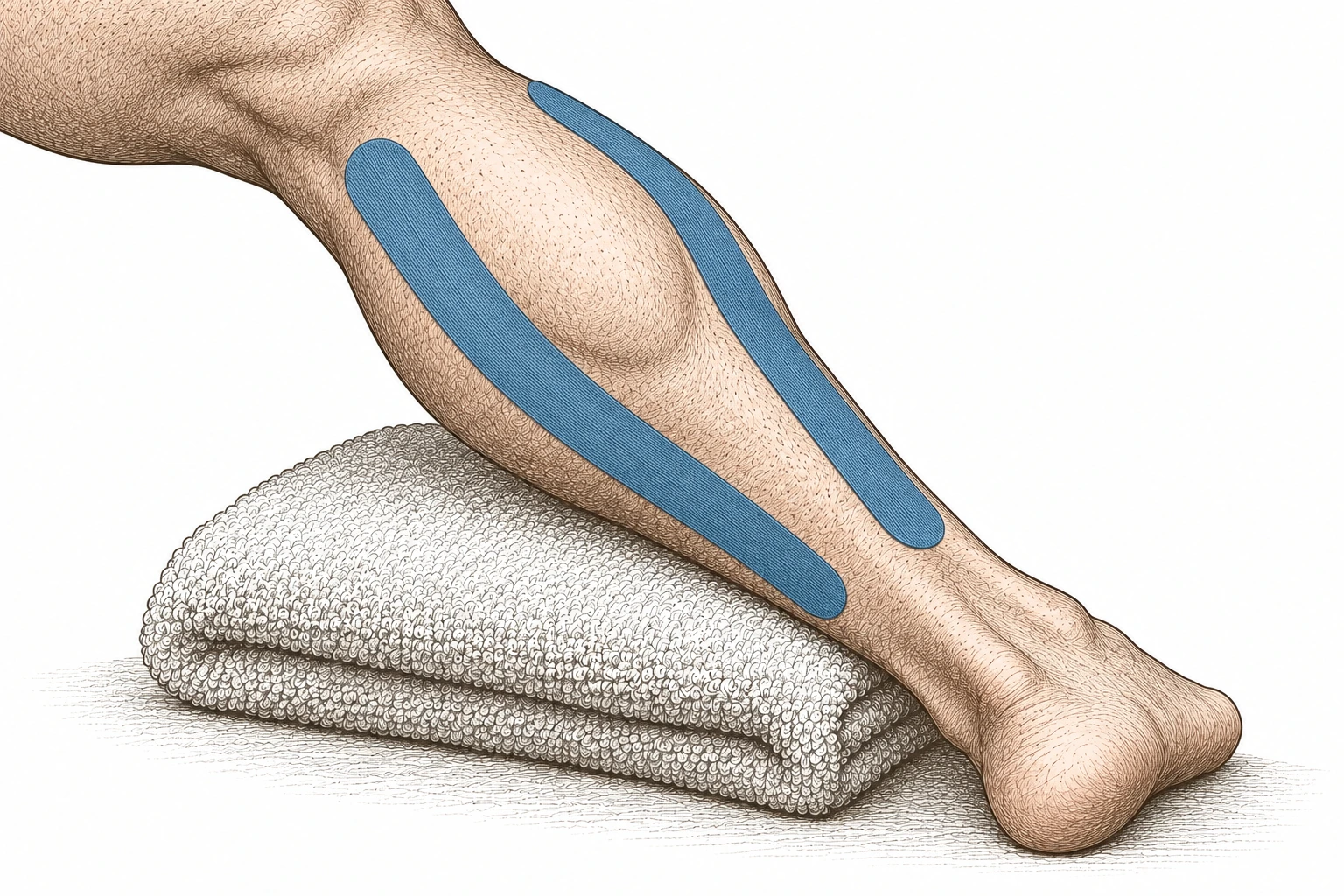
AN OPTIONAL ADDITION
Kinesiology tape may be tried as a skin-contact cue during the movement you explored. Chris checks skin and adhesive sensitivity, explains removal, and compares the movement with you. It is optional.
05 / ADJUSTING CARE
Your feedback can change the session at any time.
Tell Chris about a recent race, a long run, or an upcoming event. He can reduce pressure or range when you are sore. Review any training restrictions from your clinician before treatment.
Mention blisters, chafing, sunburn, or irritated skin. Chris can avoid those areas and omit skin-contact methods where needed. Kinesiology tape will not be applied over damaged or irritated skin.
Tell Chris about sharp pain, tingling, numbness, dizziness, or increasing discomfort. He can stop, change the method, or recommend medical assessment. Share any treatment restrictions before you start.
06 / ASSESSMENT
Recurring pain in one small area needs attention, especially if it progresses from running to walking or rest.
Arrange a medical assessment for persistent calf, heel, hip, or knee pain. If you suspect a bone stress injury, stop painful activity and see a clinician as soon as possible.
Seek prompt medical care for an injury that prevents normal walking. Dizziness, nausea, or marked weakness in heat also needs medical attention; stop running and move to a cool place.
If you are experiencing confusion, a seizure, or loss of consciousness during or after a hot run, you need emergency care. Call 911 and start cooling while help is on the way.
AAOS: bone stress injuries · CDC: heat illness and emergency action
07 / YOUR FIRST VISIT
Appointment time includes intake and hands-on care. You do not need to choose a method before your first visit.
Discuss your activity, health history, and the movement you want to make more comfortably.
Chris explains the intended approach and adjusts care with your feedback.
Try the same movement again. Discuss what feels different and agree on the next step.
You can ask about recurring tightness or a change in how your stride feels while you are still active. Bring what you have noticed and what you want to keep doing. If you are unsure whether a visit fits your needs, call Chris before booking.
No. Select a first visit. You and Chris discuss your running, health history, and goals, then review a movement together. Chris explains the care options and adjusts the session with your feedback.
Tell Chris the race date, recent training, and how you respond to bodywork. Discuss the timing and care before booking, especially if it would be your first visit.
This is a hands-on care visit. A small supported movement can help Chris understand your concern. Persistent pain, a new injury, or a limp may need medical or rehabilitation assessment.
YOUR NEXT STEP
Choose the time that feels right.
Both durations include time to discuss your goals and begin care. Choose your first visit below.
FIRST-VISIT PRICES
New clients: choose “FIRST TIME CLIENT” in MassageBook.
First visits must be paid in full in advance.
Choose the amount of time that feels right for you. Both visits include a conversation, movement review, and hands-on care. The 90-minute option gives you another 30 minutes together.
The first 15–20 minutes are for your history, goals, and movement review. Hands-on care follows within your appointment time.
Your time is one-to-one with Chris in his private studio. The support, pace, and pressure follow your needs.
Optional kinesiology taping adds $20 to a first visit. DFR® is not usually needed at the first visit.
Returning client? Book your next session4111 Marathon Blvd, Suite 110
Austin, TX 78756
Tell Chris about practice, competition, and any medical restrictions.
Reviewed by Chris Corona · Review confirmed