Getting up and getting out
Standing from a chair, managing a doorstep, and getting into a car can become difficult for different reasons. Tell Chris which part of the task feels limited and whether pain, weakness, or balance is involved.
 RECOVERYChoose your first visit
 AGING & LONGEVITY · AUSTIN, TX
A walk with a friend. Getting out of a chair. Time in the garden. As you get older, care should start with the movements that matter to you—and respect your joints, bone health, and pace.
Choose your first visit ↗
Before you visit: medical and bone-health guidance ↓
01 / MOBILITY & INDEPENDENCE
Mobility involves more than flexibility. Strength, balance, stamina, and confidence all affect how you move. Age alone does not tell Chris what you can do or what care you need.
Standing from a chair, managing a doorstep, and getting into a car can become difficult for different reasons. Tell Chris which part of the task feels limited and whether pain, weakness, or balance is involved.
Putting on a coat or reaching for a shelf asks your joints and surrounding muscles to work together. Choose a useful movement goal instead of trying to reach the largest possible stretch.
Strength, balance, and regular physical activity belong in a healthy aging plan. Ask your clinician or physical therapist for a plan that fits your health. Hands-on care can be considered alongside that plan.
Read more: NIAMS: exercise and bone health
02 / FASCIAL STRETCH THERAPY
Start with a task you want to do more comfortably, such as moving your leg while seated or getting up from a chair. Chris chooses a small movement that fits your medical guidance, then supports you through care.
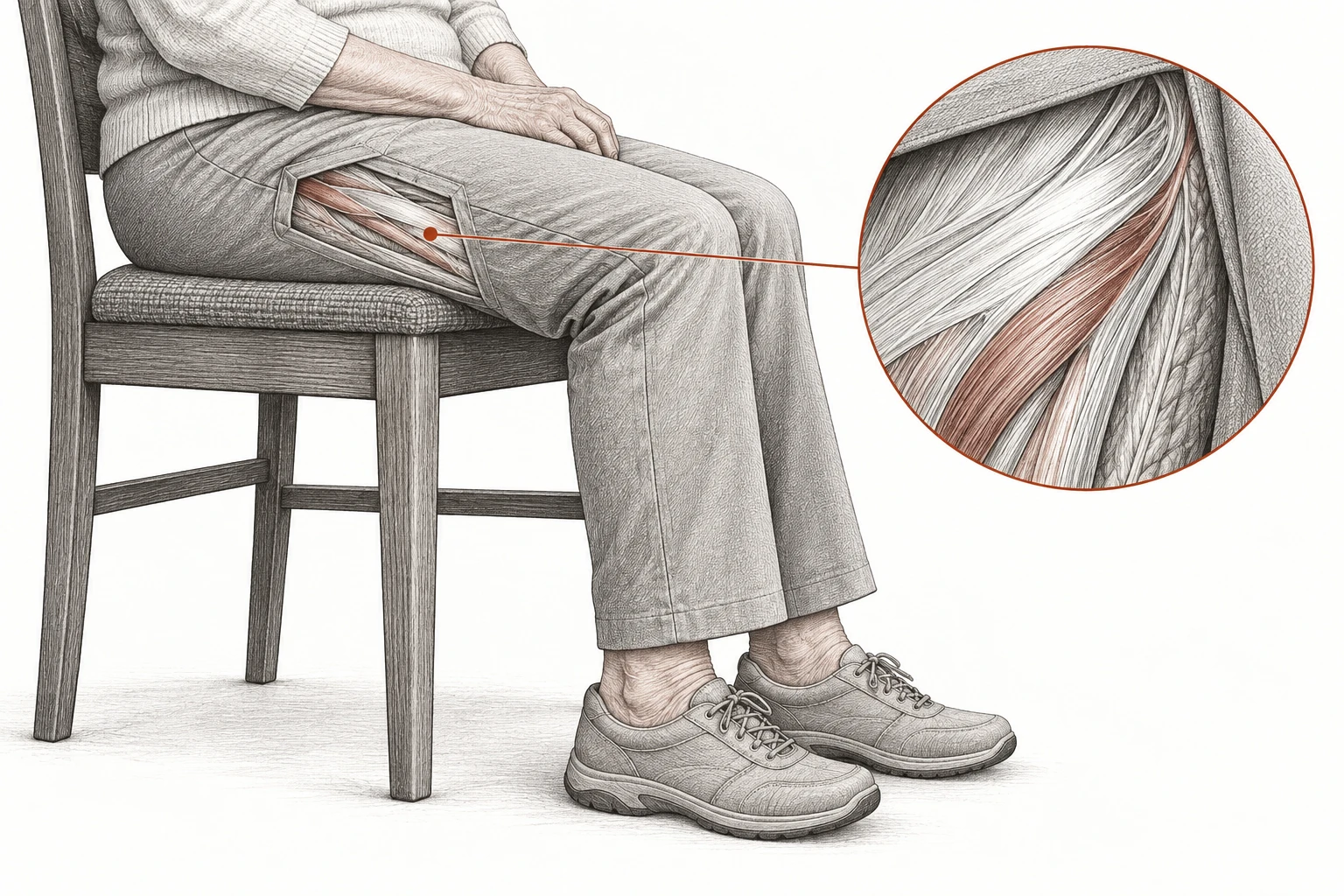
01 / YOUR STARTING POINT
Describe the part of a daily task that feels stiff. Choose a small, comfortable movement with Chris to compare during the visit.
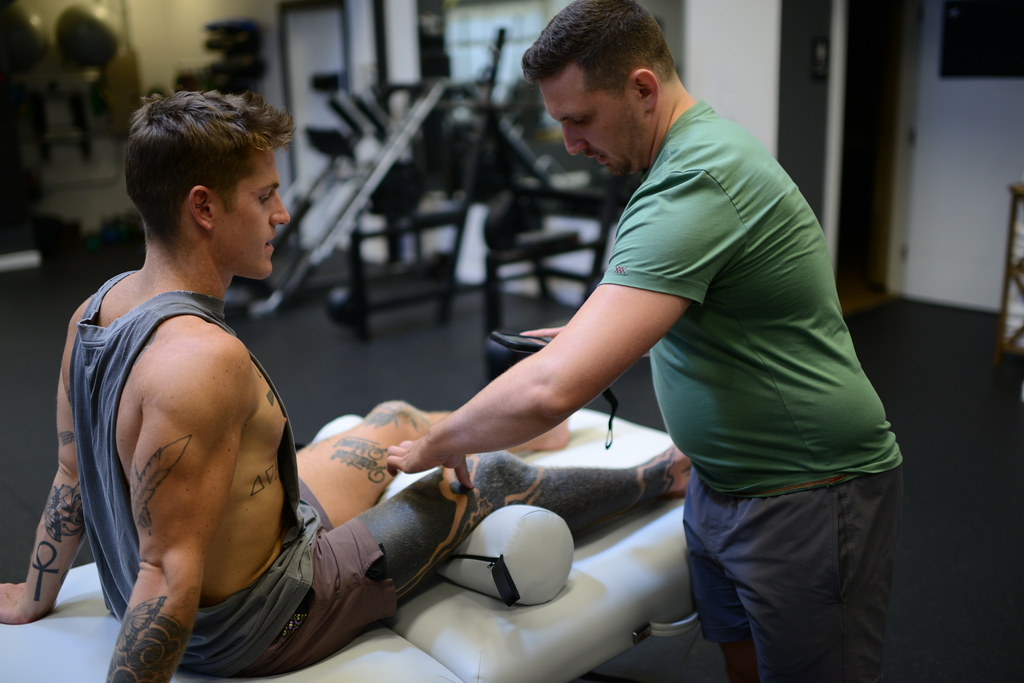
02 / CHRIS GUIDES THE MOVEMENT
Chris supports the part being moved and adjusts the angle and range to your feedback. Tell him about fragile bones or a previous fracture first; medical guidance may be needed and some movements may be left out.
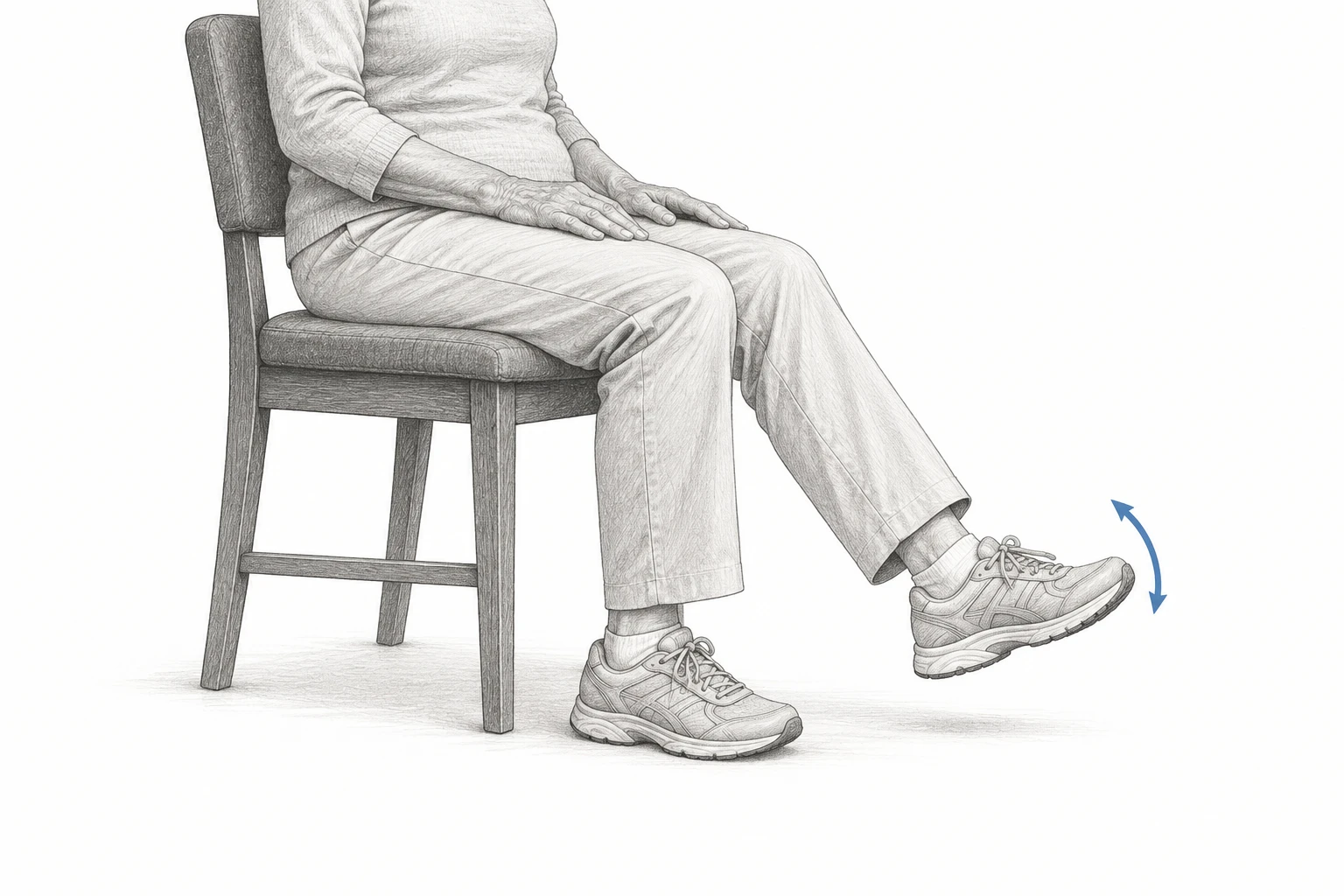
03 / REVIEW TOGETHER
Try the same movement again and describe what feels different. The goal is comfort that helps in your day, within the limits set for your bone and joint health.
Explore Fascial Stretch Therapy ↗03 / SUPPORTING CARE
Tell Chris what feels difficult. He will explain how massage or another method can fit with supported stretching.
Supporting methods are included when selected for FLEX. Optional first-visit tape is $20. Chris explains any charge for another appointment type before you agree to it.
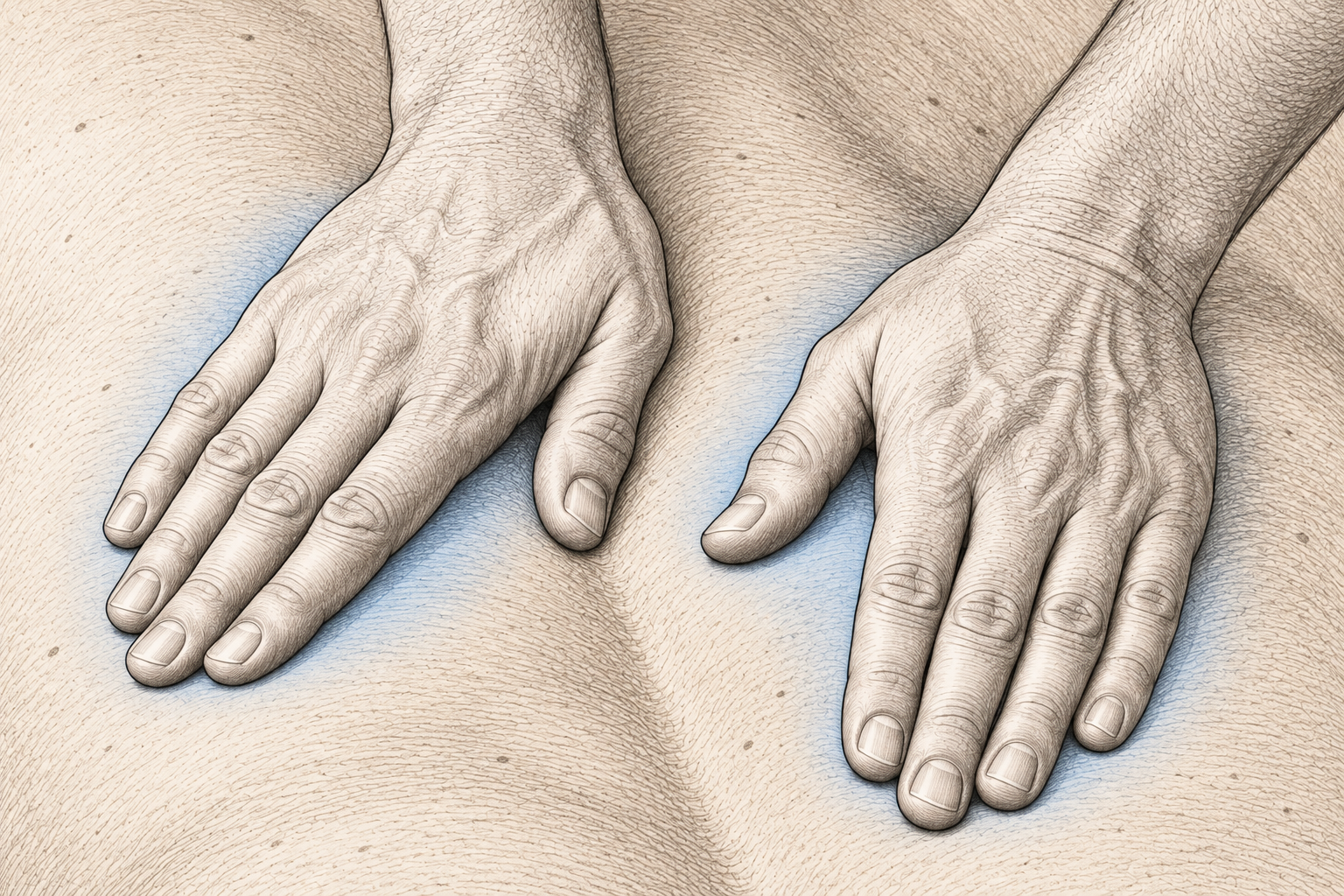
Massage may be considered for muscle discomfort around a daily movement. Chris adjusts pressure and positioning using your feedback. Fragile bones, easy bruising, blood-thinning medicines, and recent injury can change whether and where massage is suitable.
About Traditional Massage ↗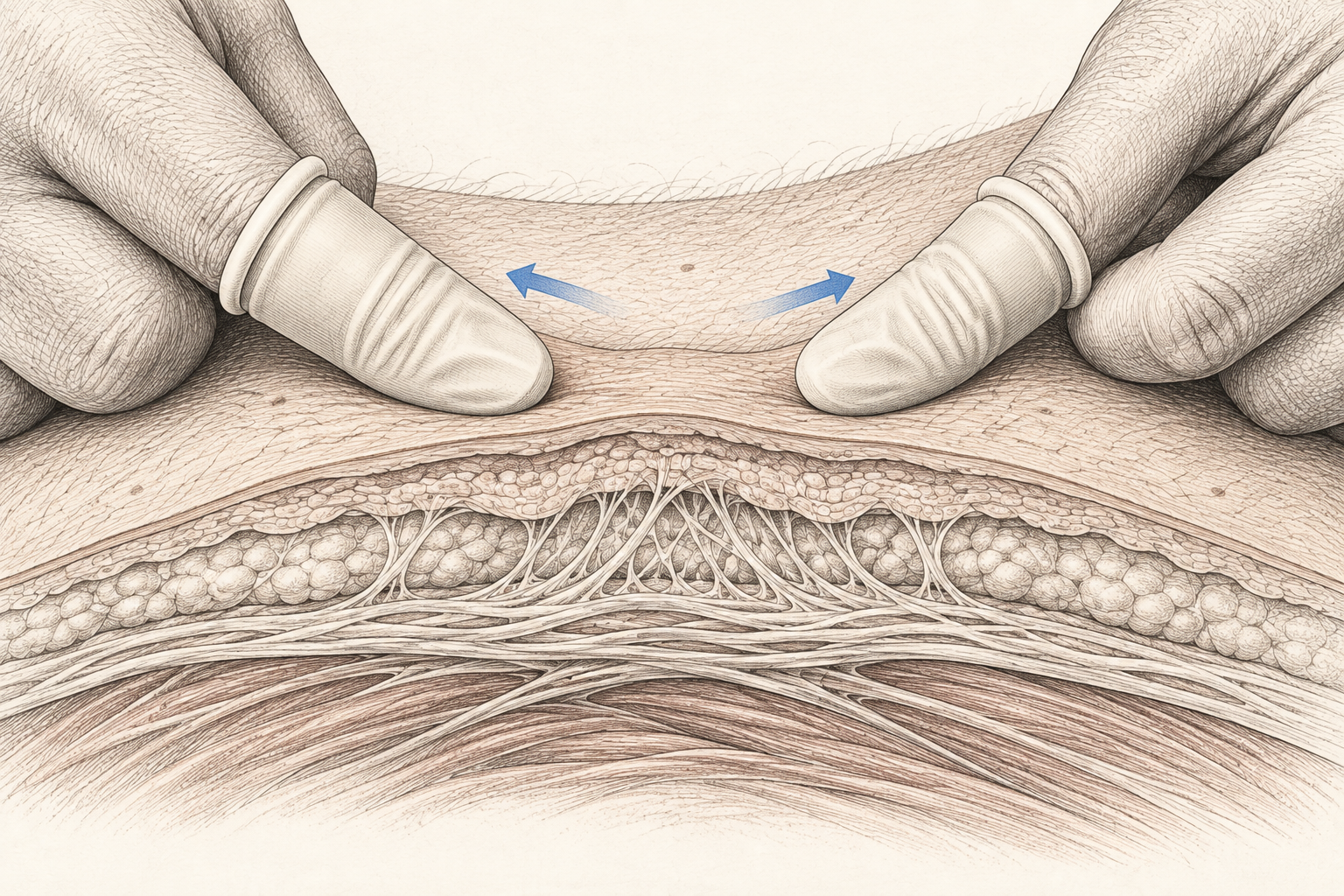
If a local pulling sensation affects movement, Chris can discuss focused skin contact and check the same task again. Delicate or irritated skin may need another approach.
About DFR® ↗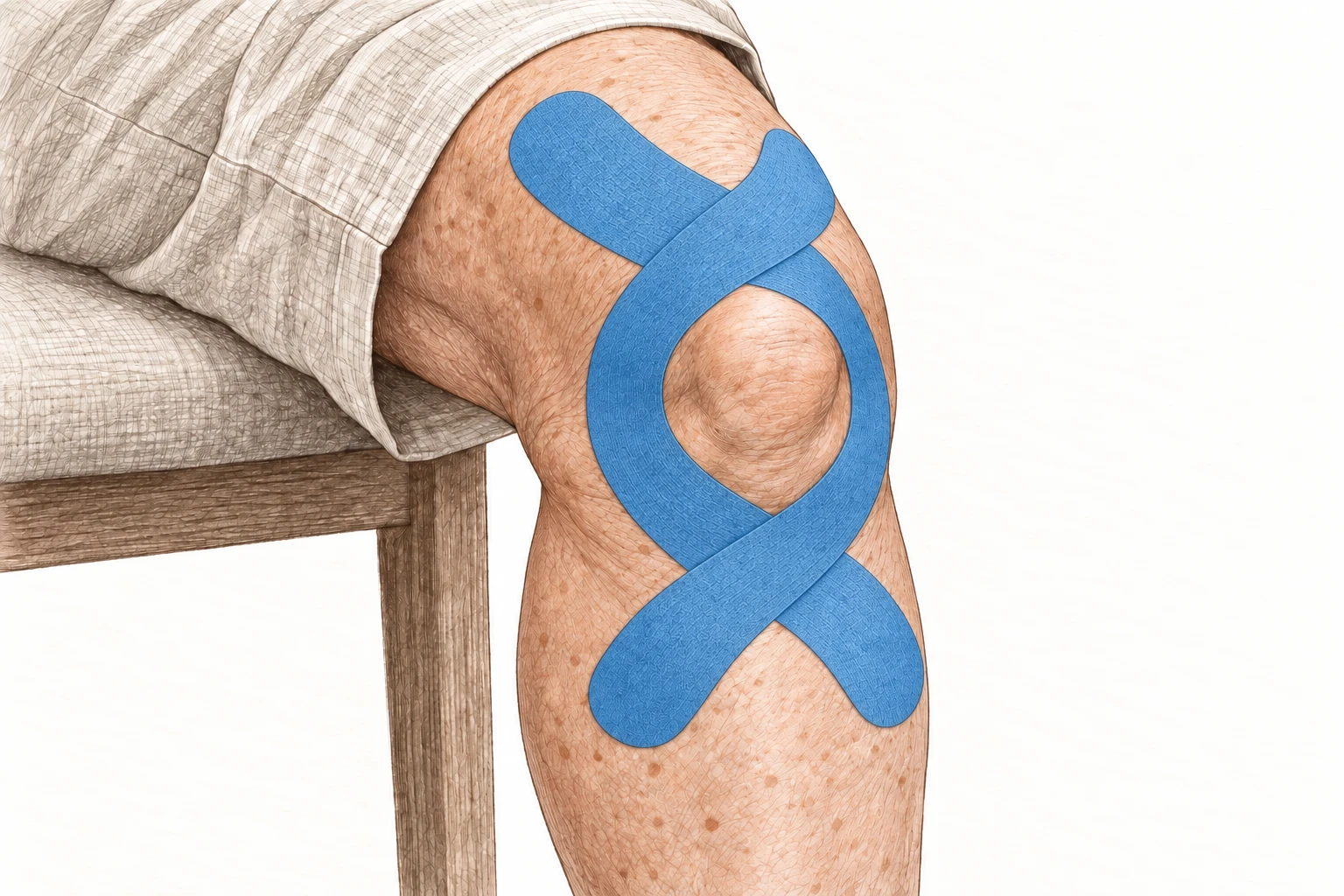
Tape may add a skin cue during movement. Chris checks skin and adhesive sensitivity and explains removal. It does not protect fragile bones from fracture.
About Kinesiology Tape ↗Read more: NCCIH: massage evidence and safety
04 / ADAPT THE VISIT
You can ask to pause or stop at any point. Chris can change the pressure, position, range, or method. Sometimes the next step is medical advice before treatment.
Share osteoporosis, previous fractures, joint replacements, recent surgery, and current medical advice. Chris follows your movement restrictions and can omit a stretch. Do not stop or change medicines for a visit unless your prescriber tells you to.
Tell Chris about bruising, blood-thinning medicines, skin tears, adhesive reactions, or reduced sensation. Pressure and skin contact may need to change. New pain, tingling, or dizziness means stop and reassess.
The clinic and restroom are wheelchair accessible, and the hydraulic table adjusts in height. A support person is welcome. Chris can help with some transfers; call before booking to discuss your needs. Allow time for position changes and breaks, and bring your usual mobility aid.
Read more: NIAMS: osteoporosis treatment and fall prevention
05 / DIFFERENT CONCERNS, DIFFERENT CARE
A stiff knee, a loss of strength, and osteoporosis are not the same problem. Explain any diagnosis and recent changes so that the session can fit your medical care.
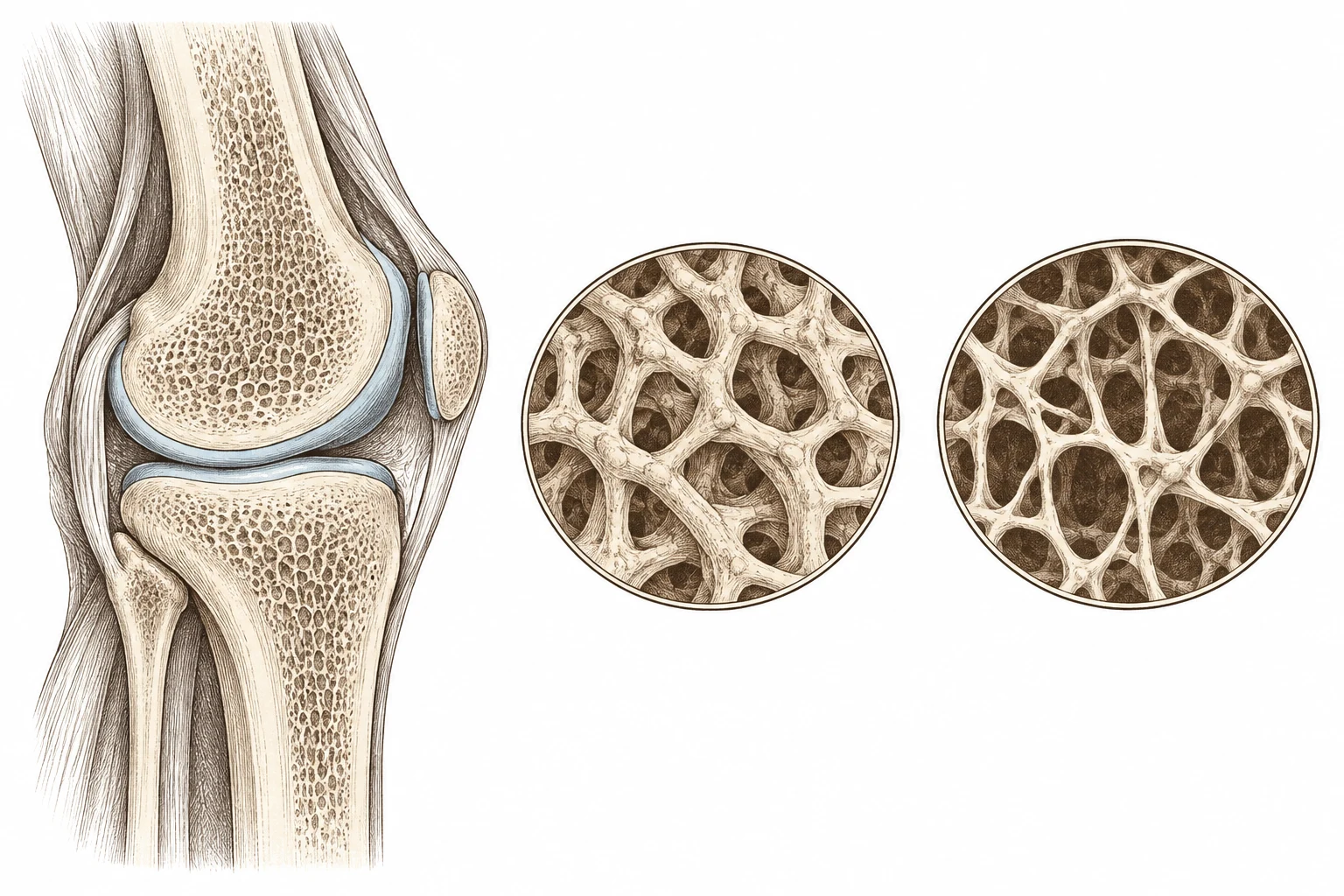
Osteoarthritis can cause joint pain and stiffness that affect walking, stairs, or dressing. Suitable exercise is part of care. Chris can discuss surrounding muscle comfort and supported movement within your limits; hands-on care does not rebuild cartilage.
Osteoporosis can weaken bones without causing symptoms until a fracture occurs. A painless stretch does not establish that a movement is safe. Tell Chris about bone density results, previous fractures, and your clinician’s restrictions before treatment.
Feeling unsteady or avoiding activity deserves attention. Discuss falls and changes in walking with your medical team. A balance and strength plan may be needed; more passive stretching is not a substitute.
Read more: NIAMS: osteoarthritis care · NIAMS: osteoporosis
06 / MEDICAL ASSESSMENT
Get medical advice before hands-on care when a symptom is new, unexplained, or changing. A bodywork visit cannot rule out a fracture or a joint infection.
Discuss persistent joint pain, repeated falls, new weakness, or loss of height with your clinician. Share any recent surgery or joint replacement and the restrictions set by your care team.
Seek prompt assessment for sudden back pain when you have osteoporosis, or a newly hot, swollen, very painful joint—especially if you feel unwell. Leave local treatment until the cause has been assessed.
If you are experiencing severe hip pain after a fall or cannot stand or put weight on your leg, you need emergency care. Call 911. Do not try a stretch or massage to test the injury.
Read more: NIAMS: osteoporosis symptoms · NHS: broken hip warning signs · NHS: joint infection warning signs
YOUR NEXT STEP
You do not need to select a technique before booking. The first visit gives you and Chris time to discuss your goals and begin suitable care.
Contact Chris before booking and share your fracture history and clinician’s advice. Suitability depends on your health, permitted movements, and the care Chris can provide. A recent or suspected fracture needs medical assessment before local hands-on care.
Wear comfortable clothes that allow movement. Bring your usual mobility aid and details of relevant diagnoses, medicines, recent surgery, and activity restrictions. If you need help moving onto the table, call Chris before booking to discuss the support he can provide. A support person is welcome.
The linked clinical sources support exercise, fall prevention, and medical care for joint and bone health. Massage research suggests possible short-term symptom benefits in some conditions. These sources do not establish that FST, DFR®, or kinesiology tape prevents falls or fractures, rebuilds cartilage, or extends life. Review a specific comfort or movement goal with Chris.
Suitable supporting methods, including tape and DFR®, are included in FLEX. Outside FLEX, optional tape is charged separately and DFR® may have an additional cost. Chris confirms any additional cost before application.
You can ask at any age. Your health, movement goals, medical restrictions, and support needs matter more than age alone. A conversation can come before an appointment.
FIRST-VISIT PRICES
New clients: choose “FIRST TIME CLIENT” in MassageBook.
First visits must be paid in full in advance.
Choose the amount of time that feels right for you. Both visits include a conversation, movement review, and hands-on care. The 90-minute option gives you another 30 minutes together.
The first 15–20 minutes are for your history, goals, and movement review. Hands-on care follows within your appointment time.
Your time is one-to-one with Chris in his private studio. The support, pace, and pressure follow your needs.
Optional kinesiology taping adds $20 to a first visit. DFR® is not usually needed at the first visit.
Returning client? Book your next sessionReviewed by Chris Corona · Review confirmed