Starting and changing direction
Getting out of your stance, slowing down, and cutting ask your hips, knees, and ankles to work together. Tell Chris which part feels stiff and whether it changes as practice goes on.
 RECOVERYChoose your first visit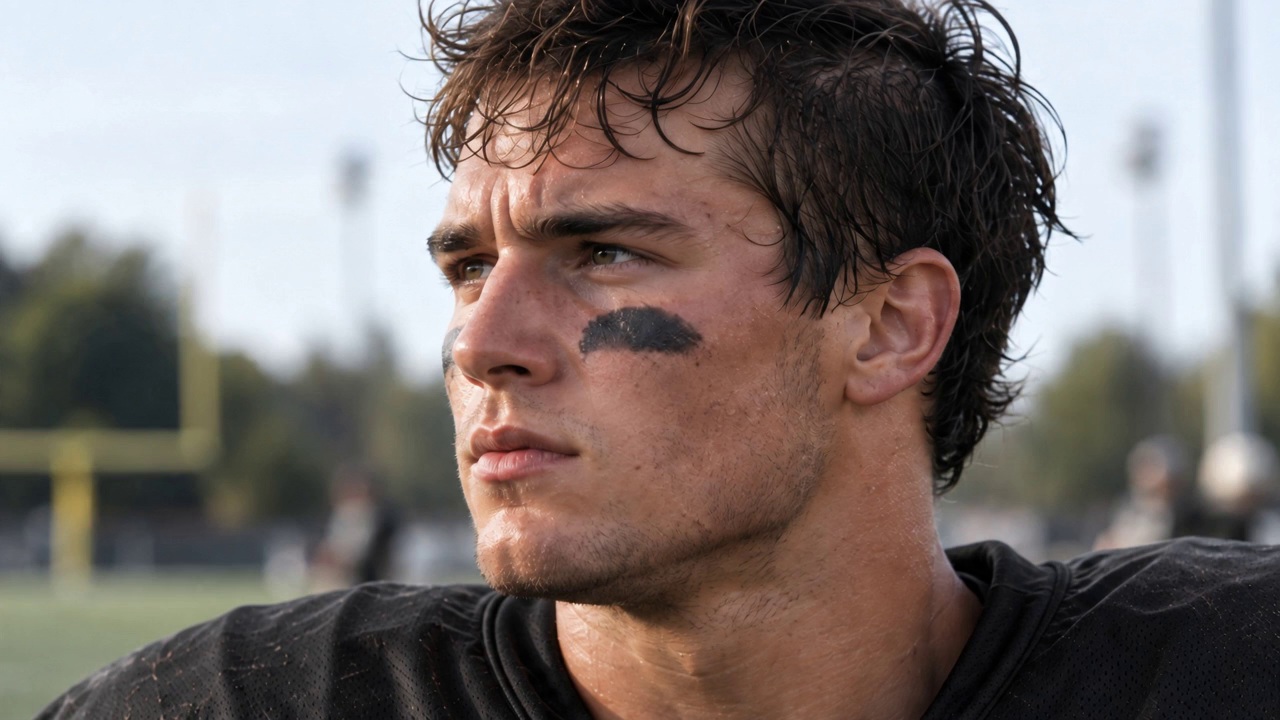
FOOTBALL · AUSTIN, TX
One-to-one stretch therapy and massage with Chris Corona, shaped around your position, practice schedule, and goals. Bring recurring stiffness, a restricted stance, or a reach that feels different. Care takes account of your comfort and any guidance from your medical team.
See what your first visit includesOne-to-one with Chris · First visit: 60 minutes $165 / 90 minutes $235
Chris works with competitive athletes, including Division I athletes.
Booking for a teen athlete? See what to expect ↓
Before you visit: symptoms that need medical care ↓
01 / DEMANDS
Your position, season, and goals shape the conversation. Bring your practice and strength schedule, upcoming games, and any change in how you move. Chris works with you on the demands that matter to your game.
Getting out of your stance, slowing down, and cutting ask your hips, knees, and ankles to work together. Tell Chris which part feels stiff and whether it changes as practice goes on.
A throw or catch combines arm reach with trunk rotation. Blocking brings different demands. Tell Chris about your position and the repeated movement that needs attention.
Repeated drills, strength work, and contact can leave you feeling different from one session to the next. Share your weekly schedule, recent changes, and any restrictions from your medical team.
02 / CONCERNS
Tell Chris if stiffness keeps returning to your stance, turn, or reach. Explain when you notice it and whether you have changed a movement to work around it. Symptoms after a hit need the medical guidance below.
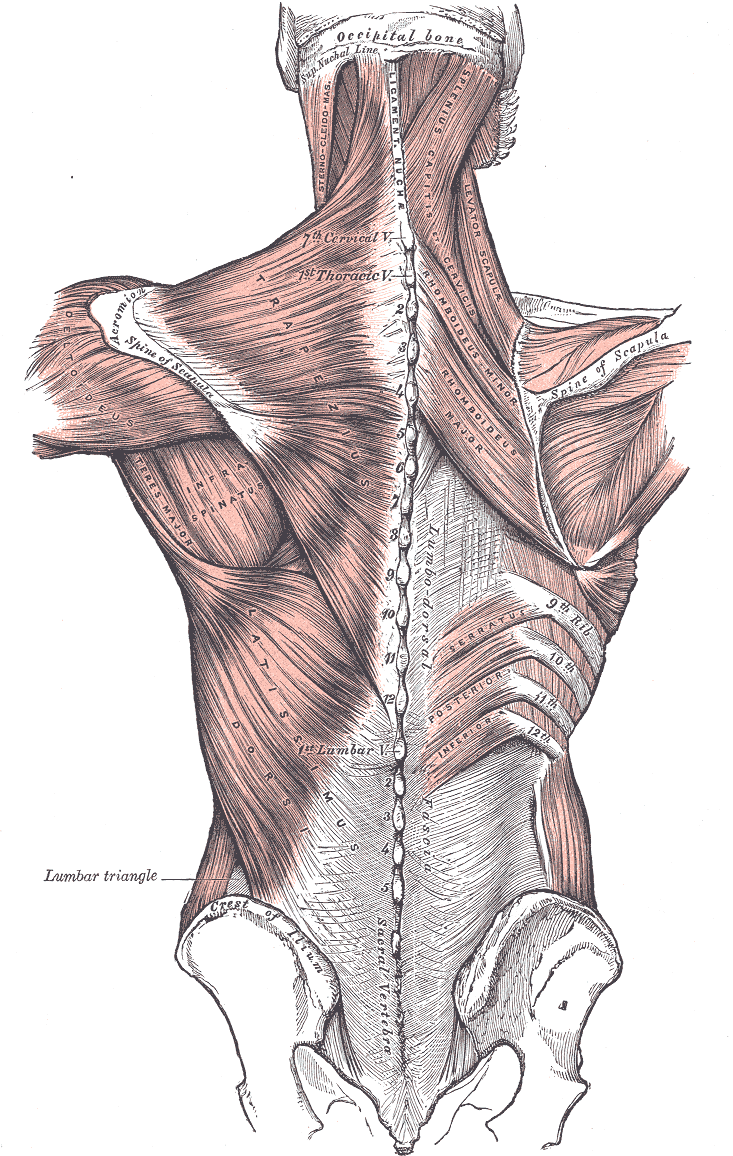
Does your lower back feel stiff as you settle into your stance or turn to follow play? Tell Chris when it starts and how it changes during warm-up. Your back muscles and connective tissues work with the rest of your trunk as you hold position and turn.
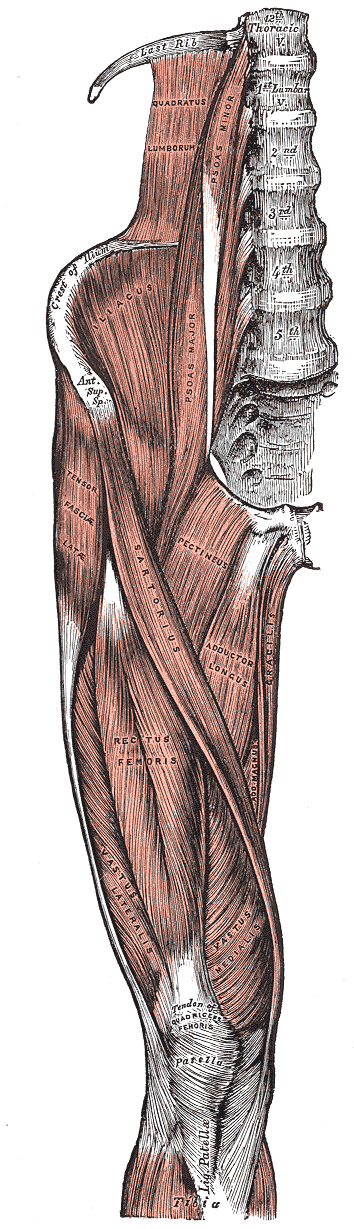
Do you feel stiffness or pulling at the front of your hip or groin in a low stance, during your first few strides, or when you change direction? Tell Chris where you feel it and whether it changes during warm-up. Muscles around the hip help move and support your leg. Persistent pain, swelling, or weakness needs assessment before stretching further.
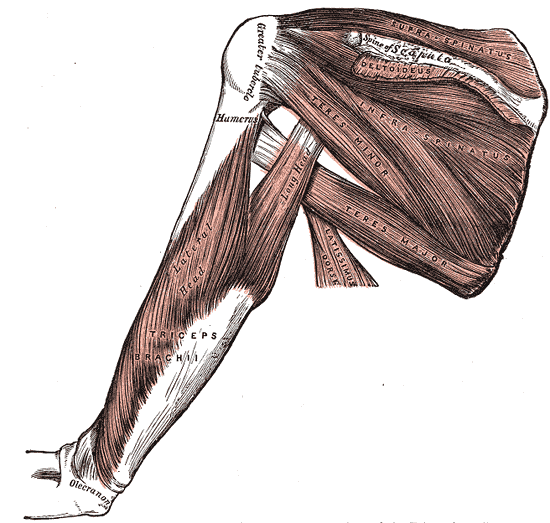
Describe what you feel during a throw, reach, or block, and whether it remains after practice. The shoulder muscles help guide and support your arm as the shoulder blade moves. Sudden pain, swelling, or loss of strength needs assessment before bodywork.
03 / FST
Start with the stance, turn, or reach that matters to your position. Chris listens to your concern, supports your body through movement on the table, and asks you to repeat the modified task. Your feedback helps guide the next step.
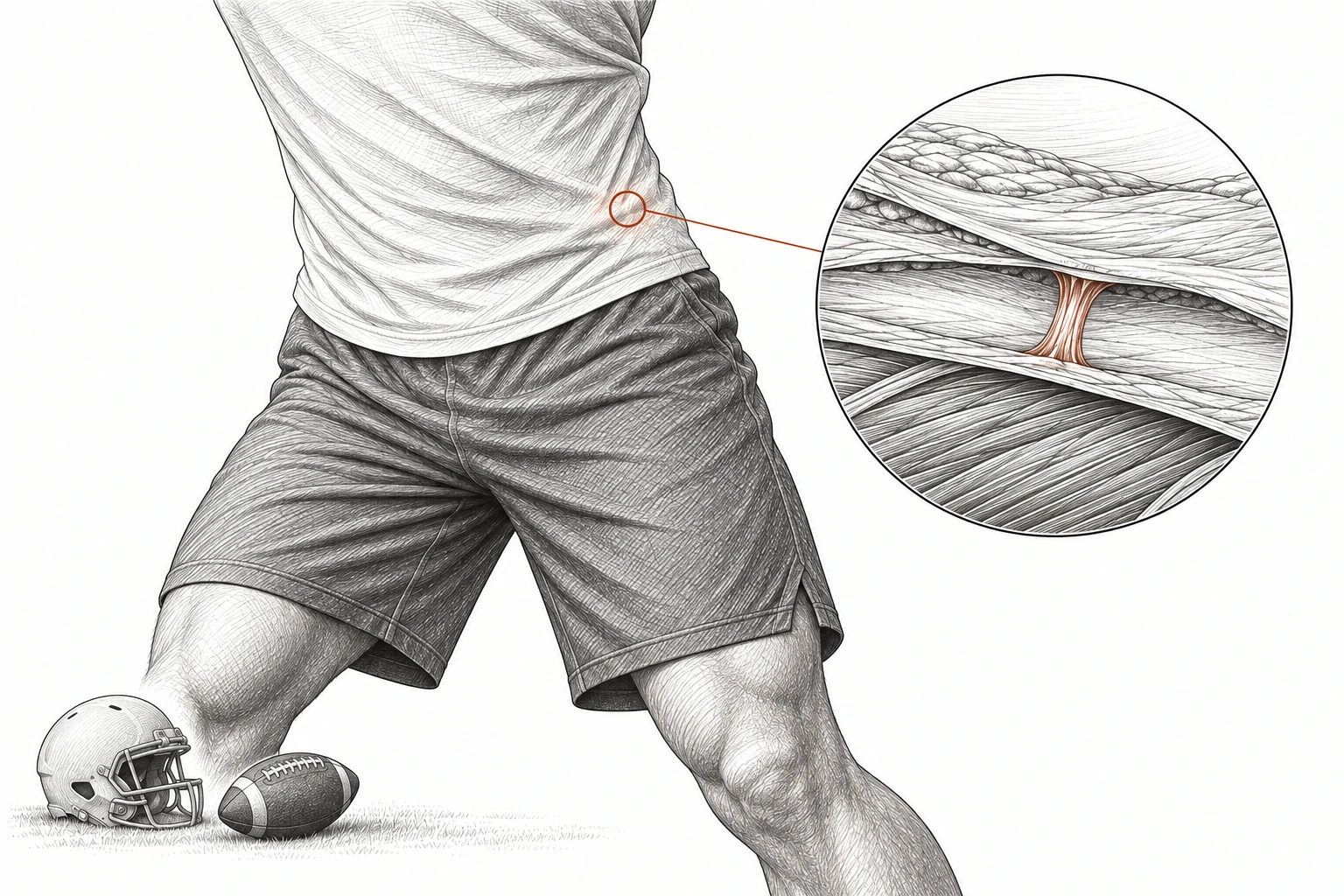
01 / IDENTIFY THE MOVEMENT
Show Chris a gentle version of your stance or turn, without contact or a full-speed cut. Agree on a small, comfortable movement you can repeat. Describe where it feels limited rather than pushing further.
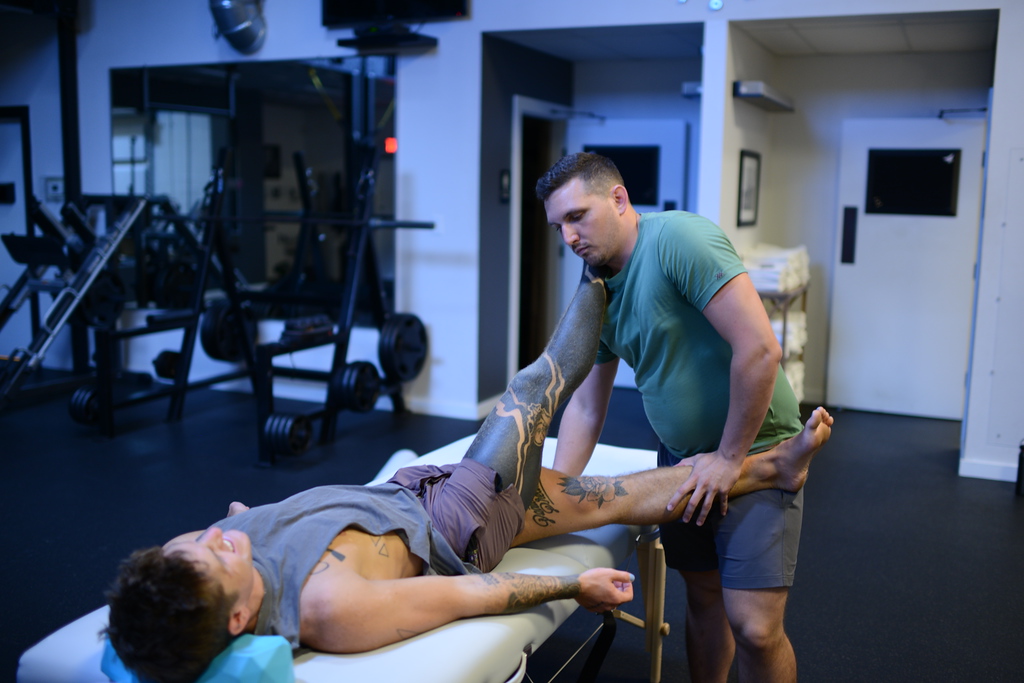
02 / CHRIS GUIDES THE MOVEMENT
With you supported on the table, Chris can guide your hip and leg through a suitable range. FST combines compression, supported movement, and stretching. He adjusts the angle, pace, and range using your feedback.
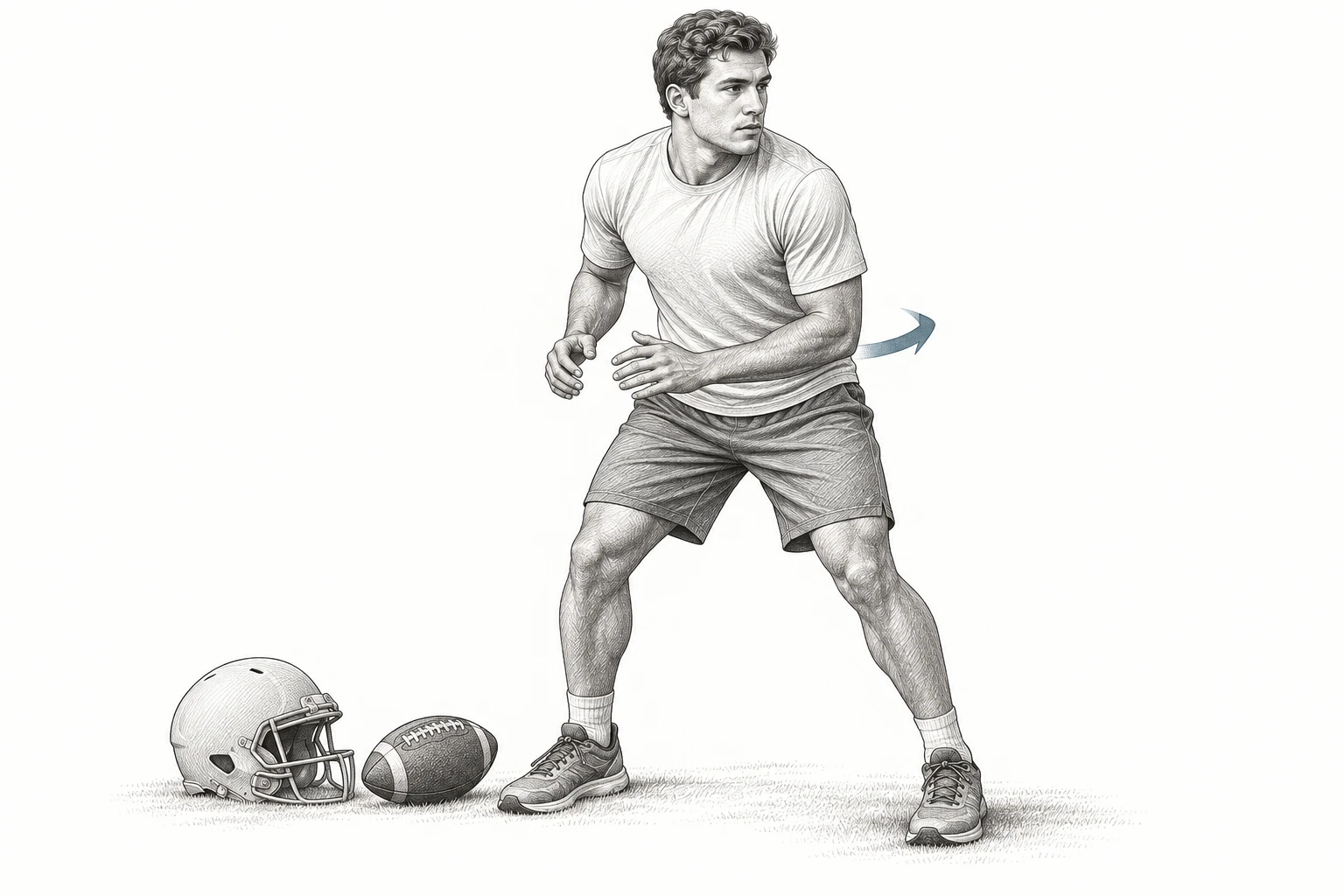
03 / REVIEW WITH CHRIS
Chris will ask you to repeat the modified movement you tried at the start. Describe what changed and what still needs attention. This helps guide the next part of your session.
FST developed from Ann Frederick’s work with athletes in the 1990s. Ann and Chris Frederick later worked with professional football players. Chris Corona trained through Stretch to Win; the founders’ team work is method history, not an endorsement of Knead Recovery.
The illustrated movement is an example. Chris chooses the task and treatment area with you.
04 / OTHER TREATMENTS
You do not need to choose a technique before your visit. Chris explains suitable options around your stance, turn, or reach, taking account of your age, medical restrictions, and response.
Supporting methods are included when selected for FLEX. Optional first-visit tape is $20. Chris explains any charge for another appointment type before you agree to it.
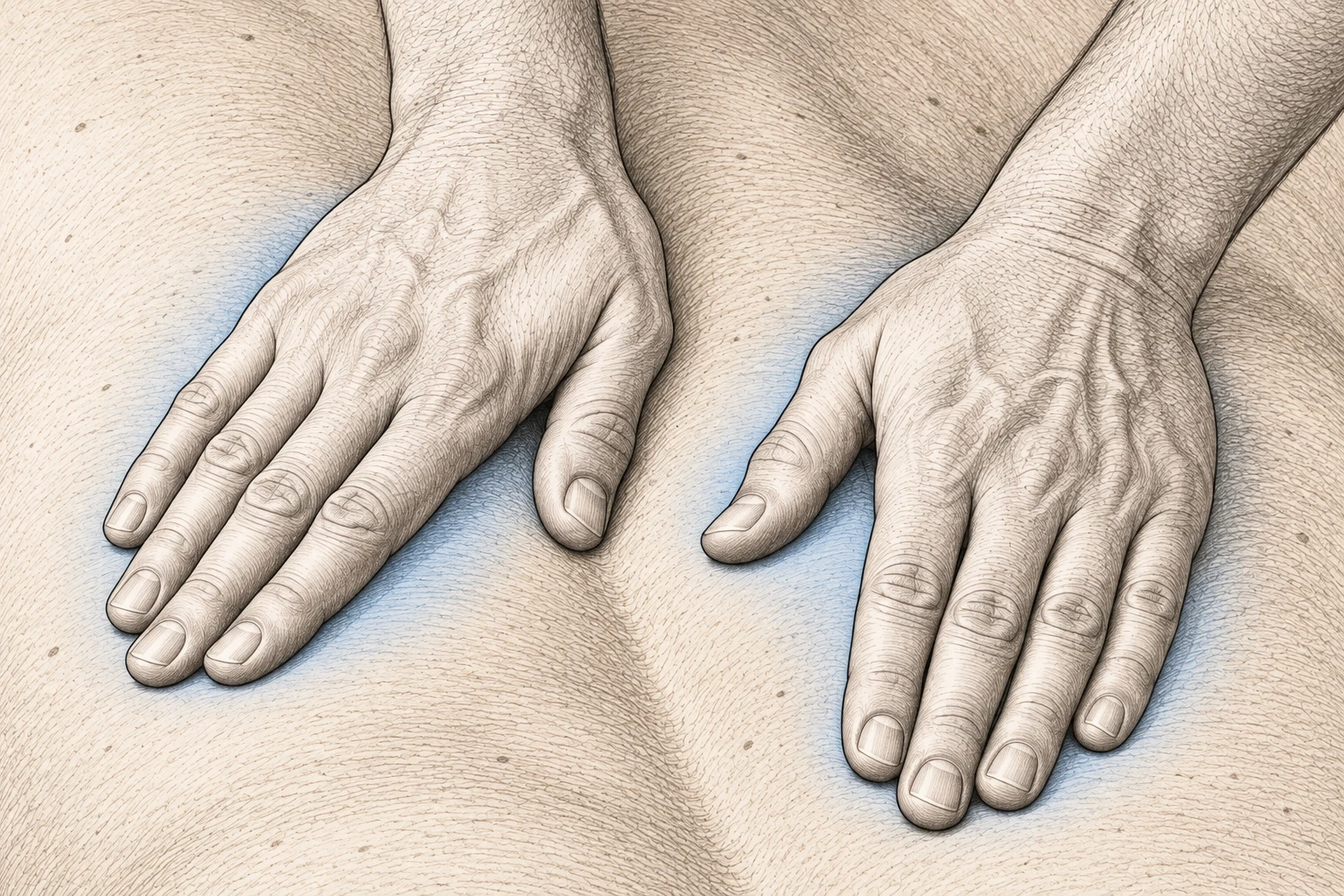
With your hip or shoulder supported, Chris can adjust the position while focusing massage on muscles involved in your stance, reach, or turn. Pressure and angle follow your feedback. FST and massage can share a FLEX session.
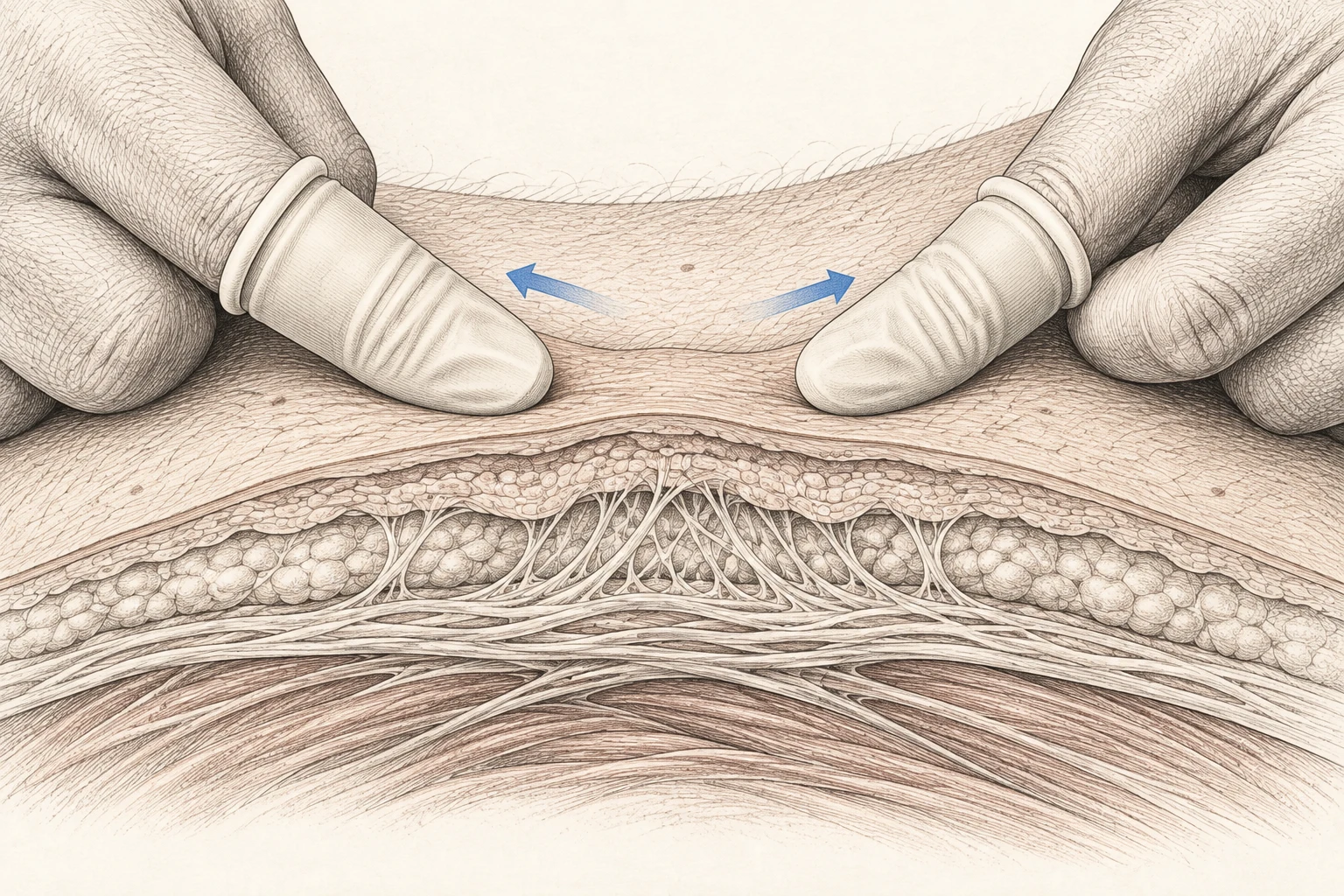
If a local pulling sensation affects a modified turn or reach, Chris may consider focused skin contact with the area supported. He then asks you to repeat the modified movement to see whether the approach was useful.
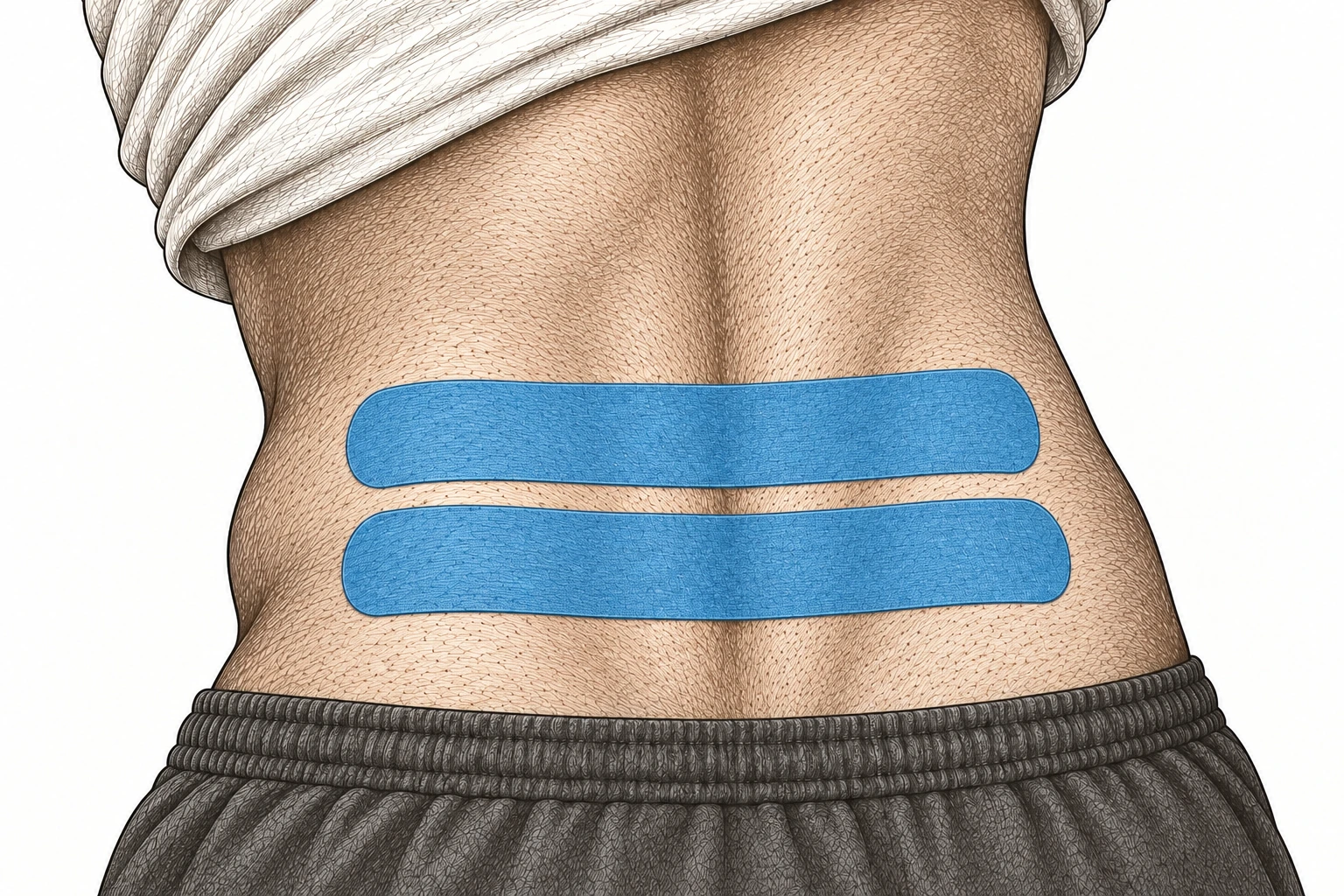
AN OPTIONAL ADDITION
After the movement work, kinesiology tape may be considered as a skin-contact cue for the movement you explored. Chris checks skin and adhesive sensitivity, explains use and removal, and reviews whether the addition is useful. It is optional.
05 / ADJUSTING CARE
Tell Chris about practice, games, treatment elsewhere, and how your body is responding.
Share your next game and recent contact exposure. Avoid using a session to push through an unresolved injury.
Bring the restrictions from your treating clinician. Chris’s work should fit that plan, not replace it.
Clients ages 13–16 receive FST only. Massage is available from age 17. For ages 13–15, a parent must remain in the treatment room during treatment.
Tell Chris about sharp pain, tingling, numbness, dizziness, or increasing discomfort. He can stop, change the approach, or recommend assessment. Kinesiology tape will not be applied over damaged or irritated skin.
06 / ASSESSMENT
After a hit, head, neck, or neurological symptoms need medical assessment. Bodywork is not a concussion assessment and cannot clear you to return to play.
Arrange medical advice for pain that keeps returning or limits normal activity, even without a recent hit. Share your diagnosis and movement restrictions with Chris before treatment.
If concussion is suspected after a hit, stop playing and get a healthcare assessment. Do not return the same day or until a healthcare professional clears you. Severe swelling or inability to use a limb also needs prompt assessment.
If you are experiencing a worsening headache, repeated vomiting, seizure, new weakness or numbness, slurred speech, or difficulty staying awake after a hit, you need emergency care. Call 911.
CDC: responding to a sports concussion · CDC: concussion danger signs
07 / YOUR FIRST VISIT
Appointment time includes intake and hands-on care. You do not need to choose a method before your first visit.
Discuss your activity, health history, and the movement you want to make more comfortably.
Chris explains the intended approach and adjusts care with your feedback.
Try the same movement again. Discuss what feels different and agree on the next step.
FOR PARENTS AND TEEN ATHLETES
Bring your questions, the training schedule, and any guidance from your athlete’s medical team. Chris explains the proposed care and listens directly to the athlete’s goals and feedback. They can ask for a change, pause, or stop at any time.
Wear comfortable clothes that allow movement. Bring the player’s position, practice and game schedule, recent injury details, and current medical restrictions. If you are unsure whether the visit fits their needs, call Chris before booking.
No. Select a first visit. You and Chris discuss your training, health history, and goals, then review a movement together. Chris explains the suitable care options and adjusts the session with your feedback.
Tell Chris about your position, next game, contact exposure, and medical restrictions. The session can focus on supported movement and muscle comfort around that schedule.
Your team’s qualified healthcare professionals guide return to play. Bring their restrictions so bodywork can fit the recovery plan.
YOUR NEXT STEP
Choose the time that feels right.
Both durations include time to discuss your goals and begin care. Choose your first visit below.
FIRST-VISIT PRICES
New clients: choose “FIRST TIME CLIENT” in MassageBook.
First visits must be paid in full in advance.
Choose the amount of time that feels right for you. Both visits include a conversation, movement review, and hands-on care. The 90-minute option gives you another 30 minutes together.
The first 15–20 minutes are for your history, goals, and movement review. Hands-on care follows within your appointment time.
Your time is one-to-one with Chris in his private studio. The support, pace, and pressure follow your needs.
Optional kinesiology taping adds $20 to a first visit. DFR® is not usually needed at the first visit.
Returning client? Book your next session4111 Marathon Blvd, Suite 110
Austin, TX 78756
Tell Chris about practice, competition, and any medical restrictions.
Reviewed by Chris Corona · Review confirmed