Squat, hinge, and lift
Squats, deadlifts, and loaded carries ask different things of your hips, trunk, and grip. Describe the position that feels limited and the load you were using.
 RECOVERYChoose your first visit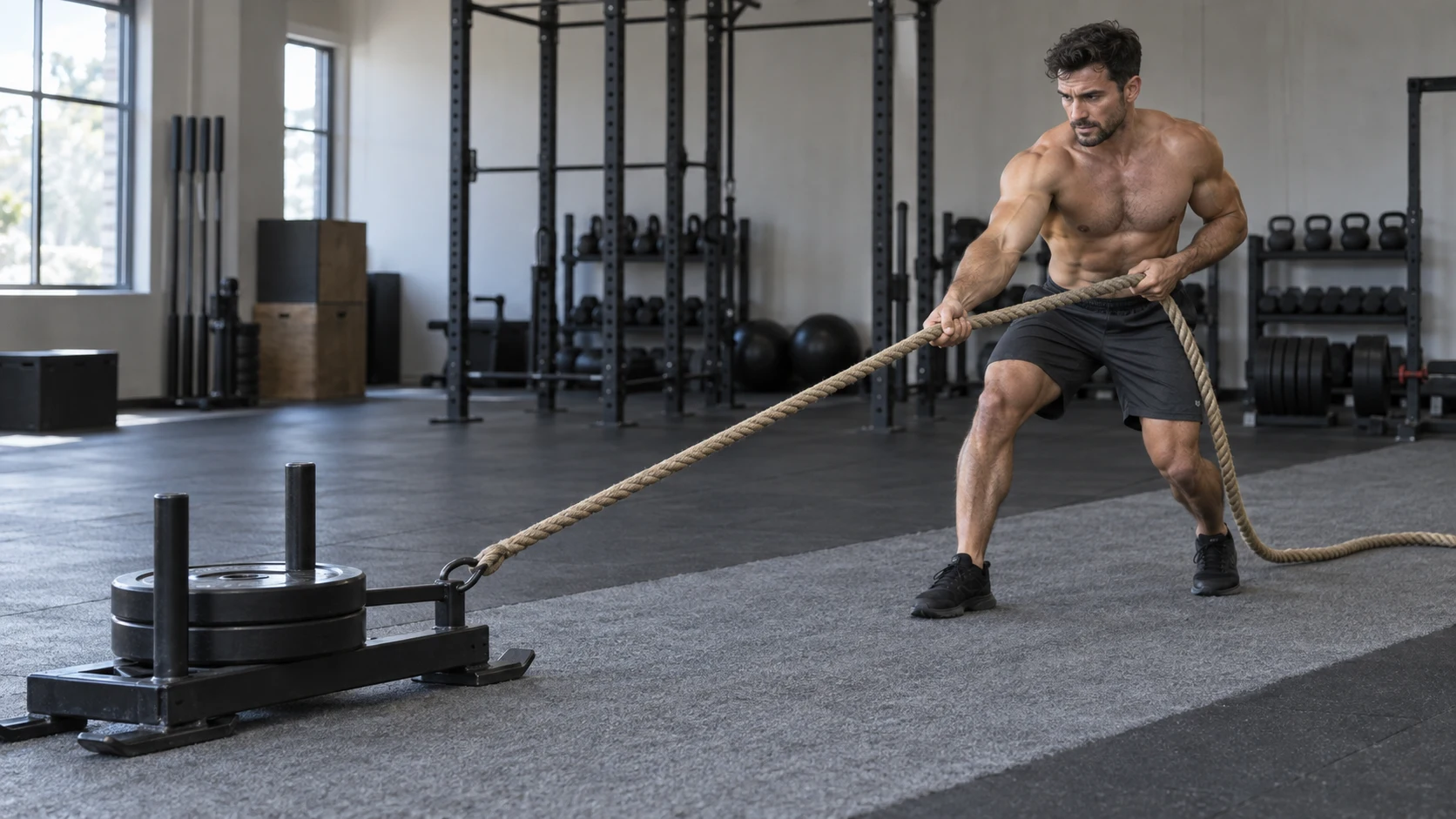
CROSSFIT® / HYROX® · AUSTIN, TX
Your training matters, from a regular class to competition. If a squat, front rack, or overhead reach keeps feeling restricted, bring that concern to Chris. One-to-one stretch therapy and massage start with your training, your comfort, and your goals.
See what your first visit includesOne-to-one with Chris · First visit: 60 minutes $165 / 90 minutes $235
Before you visit: symptoms that need medical care ↓
01 / DEMANDS
Tell Chris what you are working toward and which movements need attention. CrossFit® workouts combine strength, skill, and conditioning; HYROX® combines running with repeated exercise stations. Your session starts with the demands of your own training.
Squats, deadlifts, and loaded carries ask different things of your hips, trunk, and grip. Describe the position that feels limited and the load you were using.
A front rack, overhead lift, or pull can expose a different concern from running. Tell Chris which exercise and which part of the movement brings it on.
Running between stations, sled work, and repeated sets add up. Share recent changes in volume, load, and recovery time, especially after a new workout.
02 / CONCERNS
You can ask for help while you are still training. Tell Chris which position keeps feeling restricted, when discomfort appears, and whether you have changed an exercise to work around it.
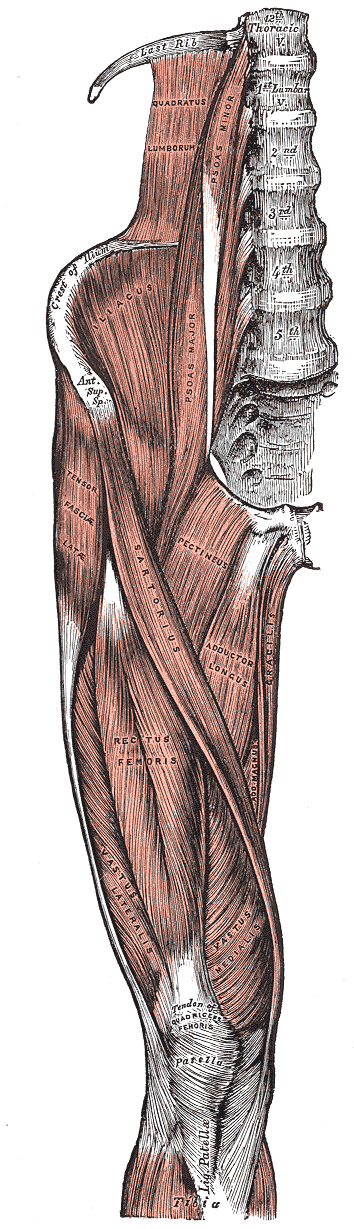
Describe where you feel pulling as you lower or stand, and whether it also affects running. Hip muscles move and support the thigh; calf muscles help control the ankle. Pain that changes your movement needs assessment.
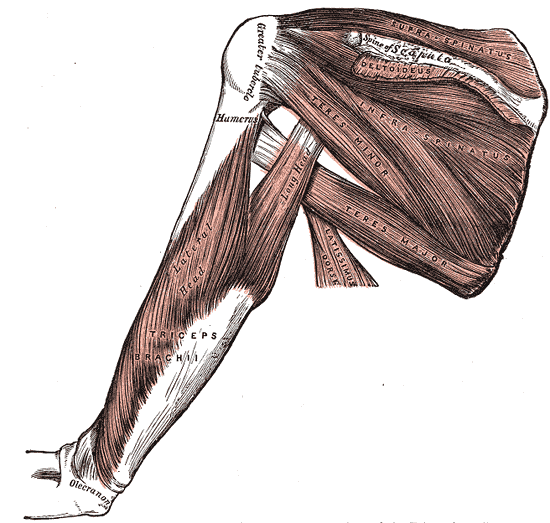
Tell Chris whether the concern appears as you lift the arm, hold a load, or lower it. Muscles around the shoulder blade help guide the arm. A forced stretch is not the next step for a painful or weak shoulder.
03 / FST
Start with the squat or reach that matters to your training. In Fascial Stretch Therapy (FST), Chris uses supported movement, compression, and stretching, with the position, angle, and range shaped by your history and feedback.
01 / IDENTIFY THE MOVEMENT
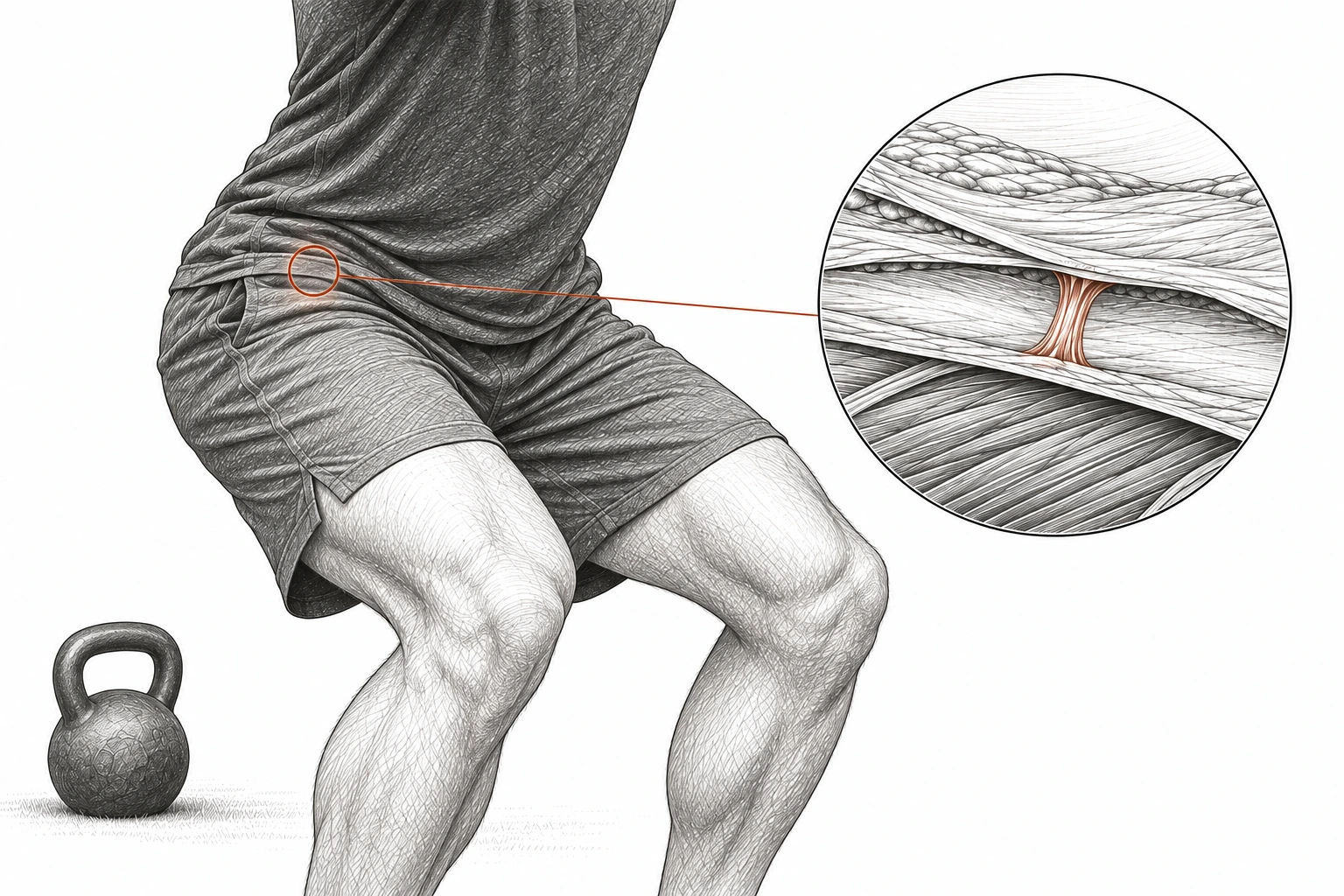
Show Chris a small unloaded squat, with no bar or kettlebell. Choose a depth you can repeat without forcing it. If reaching is your main concern, agree on a gentle unloaded arm movement instead.
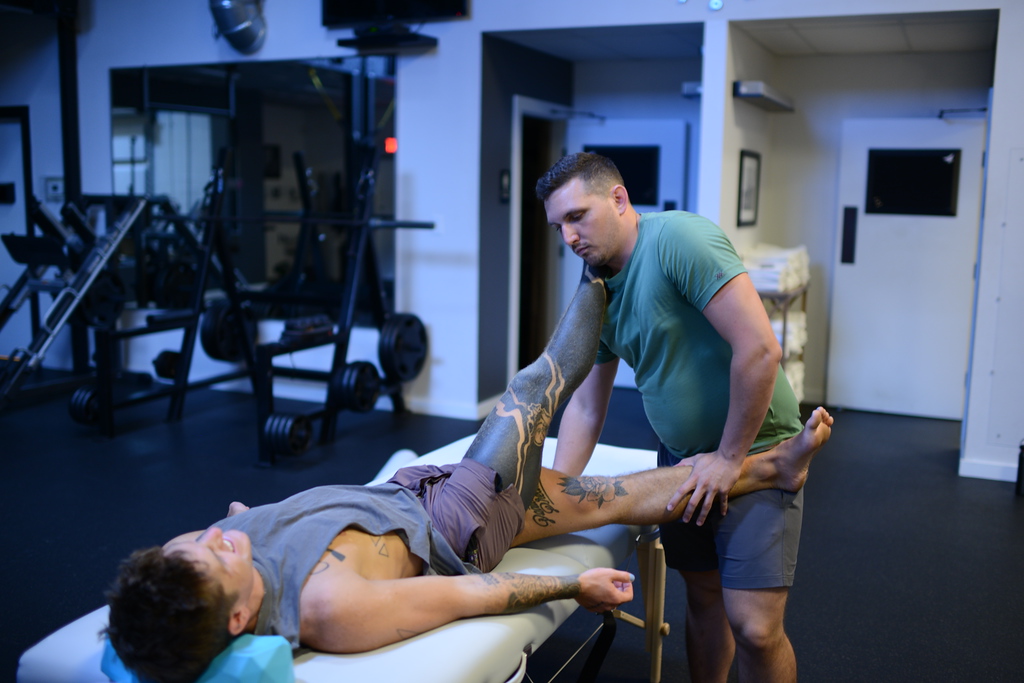
02 / CHRIS GUIDES THE MOVEMENT
On the table, Chris can explore hip and ankle movement for the squat, or shoulder movement for a reach. Tell him how it feels as he changes the angle and pace. He can reduce the movement or stop at any point.
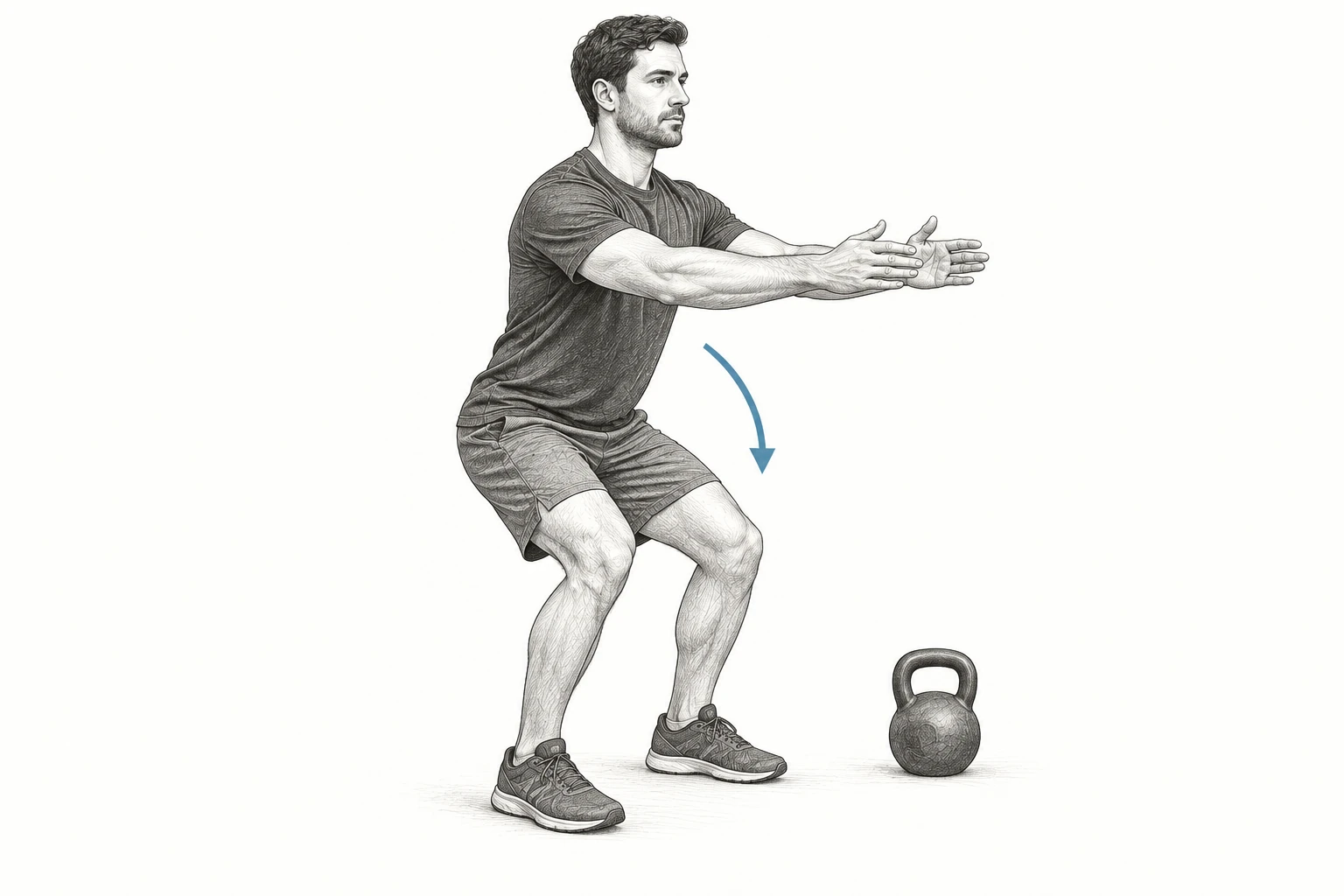
03 / REVIEW WITH CHRIS
Try the same unloaded squat or arm reach you chose at the start. Describe what feels different and what still needs attention.
Work with Chris at each visit. He listens to what has changed in your training, adjusts care with your feedback, and reviews the movement with you before you discuss the next step.
04 / OTHER TREATMENTS
You do not need to decide whether a restricted squat or reach needs stretching or massage. Discuss the movement with Chris; he explains the options and selects care with you.
Supporting methods are included when selected for FLEX. Optional first-visit tape is $20. Chris explains any charge for another appointment type before you agree to it.
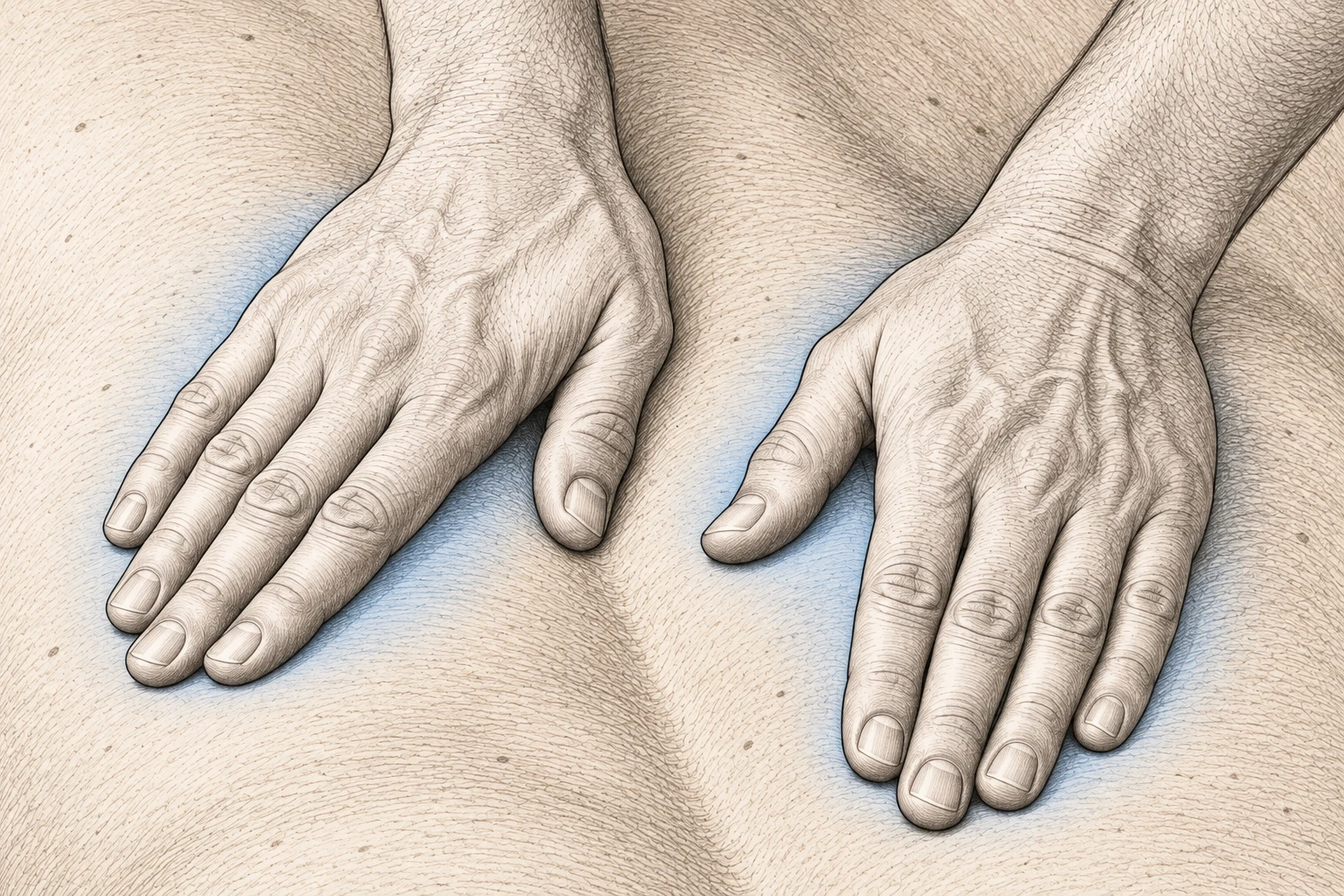
With the area supported, Chris can vary the position and focus massage on your hips, calves, or shoulder. Pressure follows your feedback. Massage and FST can share a FLEX session.
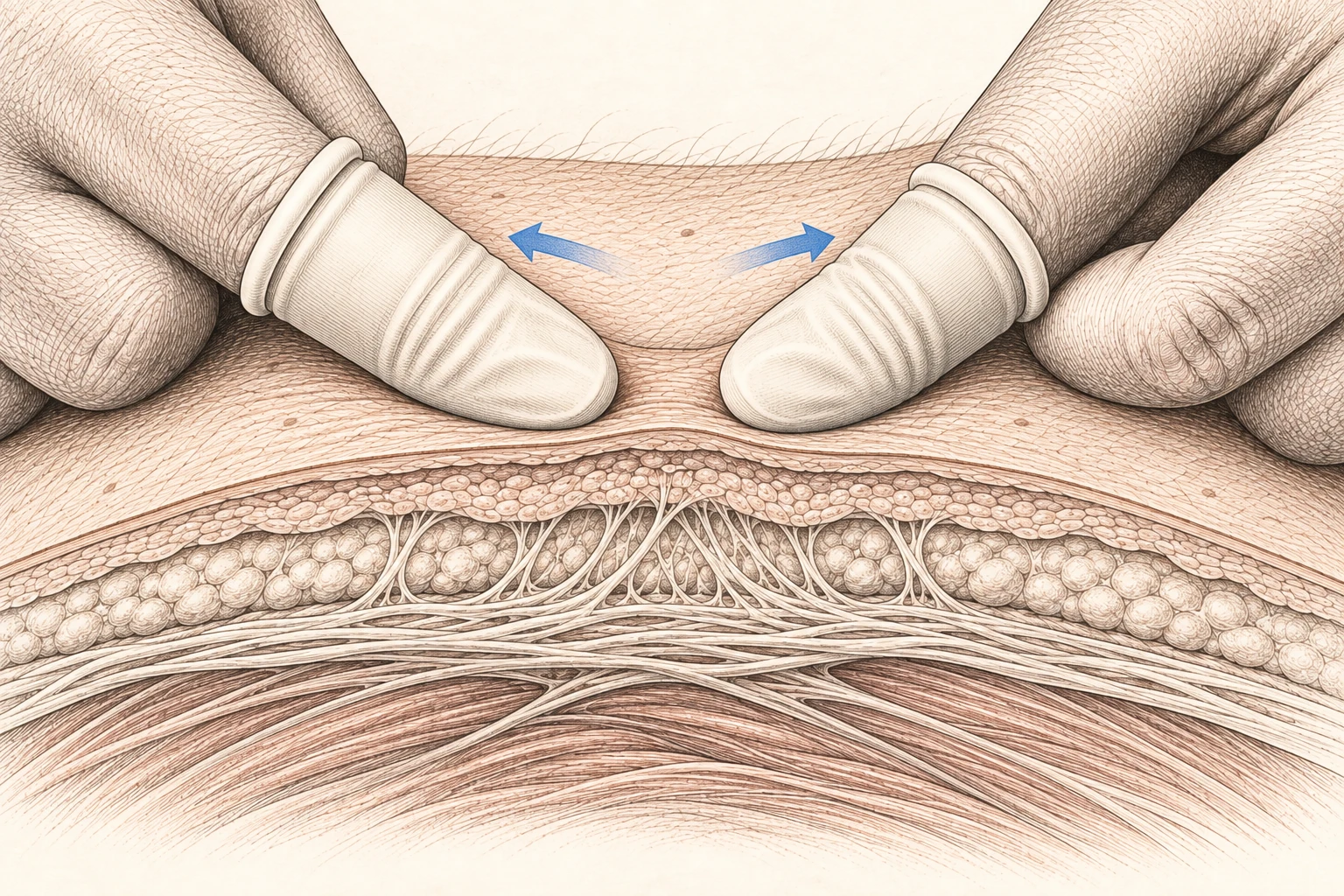
If a local pulling sensation affects a small unloaded squat, Chris may try focused skin contact with the area supported. He then asks you to repeat the movement and describe the response.
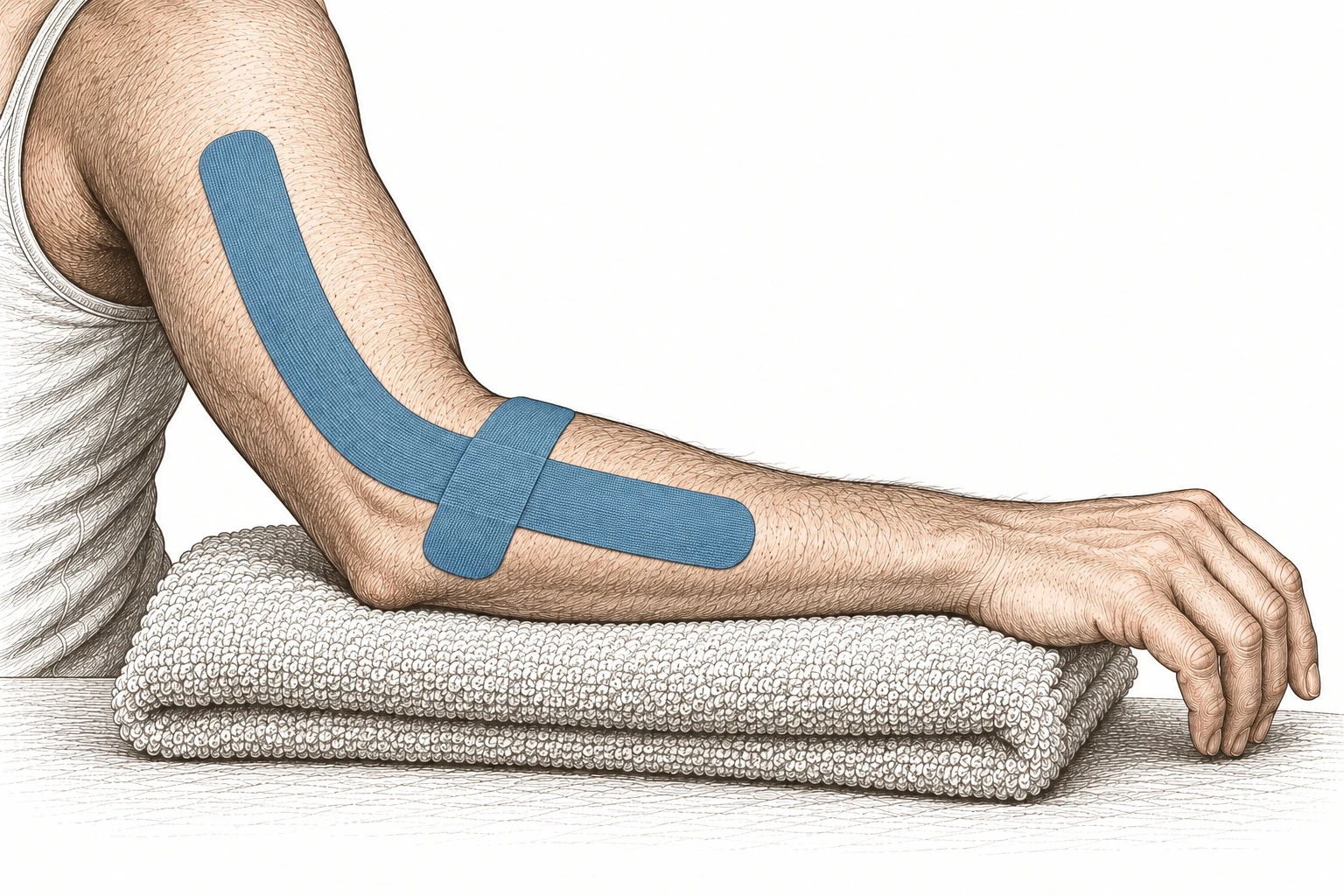
AN OPTIONAL ADDITION
Kinesiology tape may be tried as a skin-contact cue during the movement you explored. Chris checks skin and adhesive sensitivity, explains removal, and compares the movement with you. It is optional.
05 / ADJUSTING CARE
Your feedback can change the session at any time.
Tell Chris about your next heavy session or event. He can use a smaller range and lighter pressure when you are sore. Bodywork does not determine whether you are ready to lift or race.
Mention torn calluses, rope friction, bruising, or irritated skin. Chris can avoid those areas and leave out a skin-contact method. Kinesiology tape will not be applied over damaged or irritated skin.
Tell Chris about sharp pain, tingling, numbness, dizziness, or increasing discomfort. He can stop, change the method, or recommend medical assessment. Share any treatment restrictions before you start.
06 / ASSESSMENT
Unexpected pain or weakness after a hard session needs attention. Do not assume all muscle pain is routine soreness.
Arrange an assessment for recurring joint pain, loss of strength, or symptoms that change your lifting or running. Bring any medical restrictions to your visit.
Get medical care immediately for muscle pain much worse than expected, unusual weakness, or tea- or cola-colored urine after exertion. These can be signs of rhabdomyolysis; you do not need to have all three.
If you are experiencing confusion, a seizure, or loss of consciousness during or after exercise in heat, you need emergency care. Call 911 and start cooling while help is on the way.
AAOS: shoulder symptoms and assessment · CDC: severe muscle symptoms after exertion · CDC: heat illness and emergency action
07 / YOUR FIRST VISIT
Appointment time includes intake and hands-on care. You do not need to choose a method before your first visit.
Discuss your activity, health history, and the movement you want to make more comfortably.
Chris explains the intended approach and adjusts care with your feedback.
Try the same movement again. Discuss what feels different and agree on the next step.
You can ask about recurring tightness or a position that keeps feeling restricted while you are still active. Bring the exercises you have noticed it in and the goals you are working toward. If you are unsure whether a visit fits your needs, call Chris before booking.
No. Select a first visit. You and Chris discuss your training, health history, and goals, then review a small unloaded movement together. Chris explains the care options and adjusts the session with your feedback.
A small unloaded squat or gentle arm reach can provide a starting point. Chris chooses the movement with you; no bar or kettlebell is needed.
Share the date, training load, and how you usually respond to bodywork. Discuss the pressure, pace, and goals before care begins.
YOUR NEXT STEP
Choose the time that feels right.
Both durations include time to discuss your goals and begin care. Choose your first visit below.
FIRST-VISIT PRICES
New clients: choose “FIRST TIME CLIENT” in MassageBook.
First visits must be paid in full in advance.
Choose the amount of time that feels right for you. Both visits include a conversation, movement review, and hands-on care. The 90-minute option gives you another 30 minutes together.
The first 15–20 minutes are for your history, goals, and movement review. Hands-on care follows within your appointment time.
Your time is one-to-one with Chris in his private studio. The support, pace, and pressure follow your needs.
Optional kinesiology taping adds $20 to a first visit. DFR® is not usually needed at the first visit.
Returning client? Book your next session4111 Marathon Blvd, Suite 110
Austin, TX 78756
Tell Chris about practice, competition, and any medical restrictions.
Reviewed by Chris Corona · Review confirmed