Supported movement
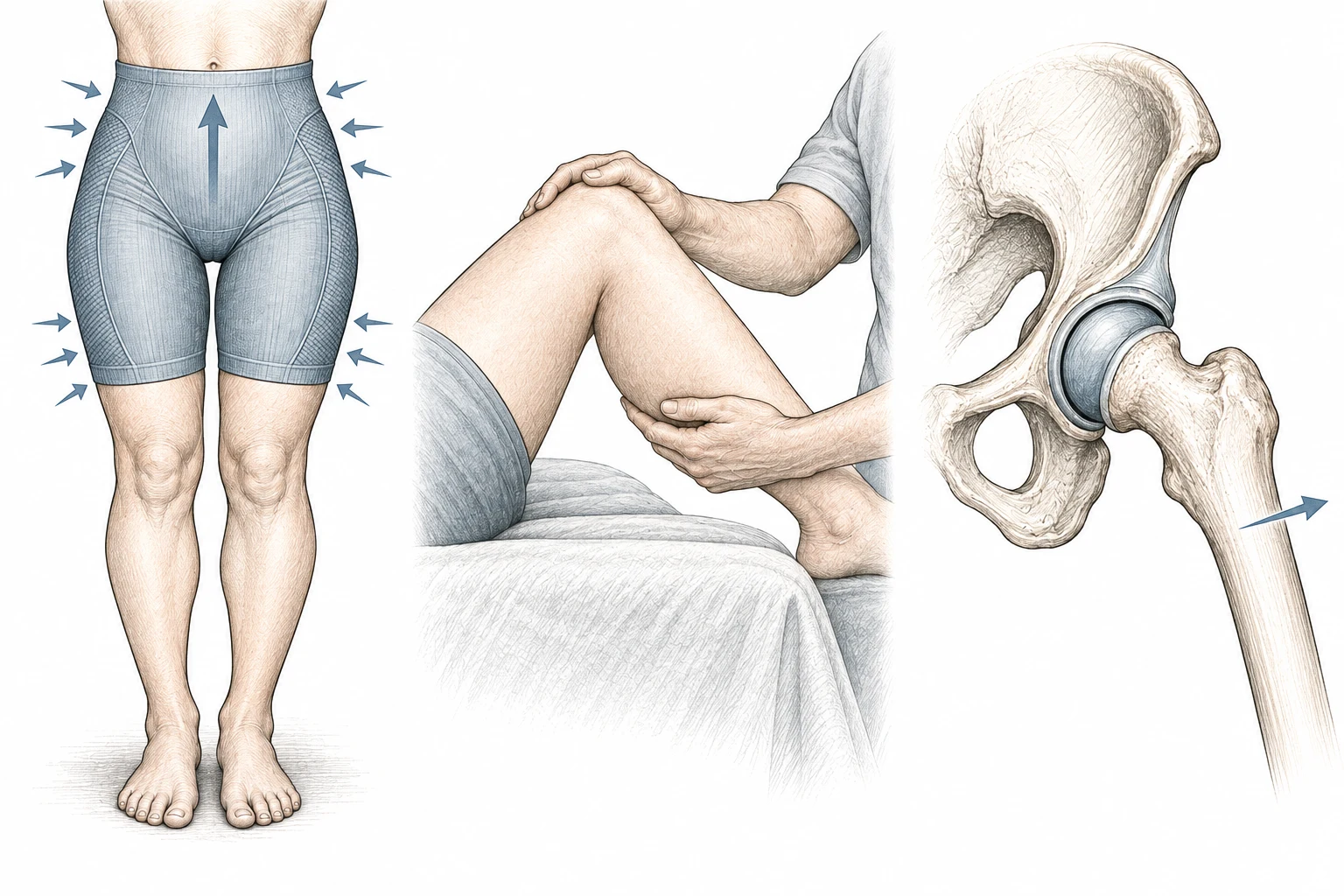
A reclined position and supported limbs can make movement less demanding. In FST, Chris adjusts the angle, pace, and pressure with your feedback.
 RECOVERYChoose your first visit
 POTS · AUSTIN, TX
Make room for more comfortable movement. Chris works with you to choose supported positions, a manageable pace, and care that fits how you feel that day.
Choose your first visit ↗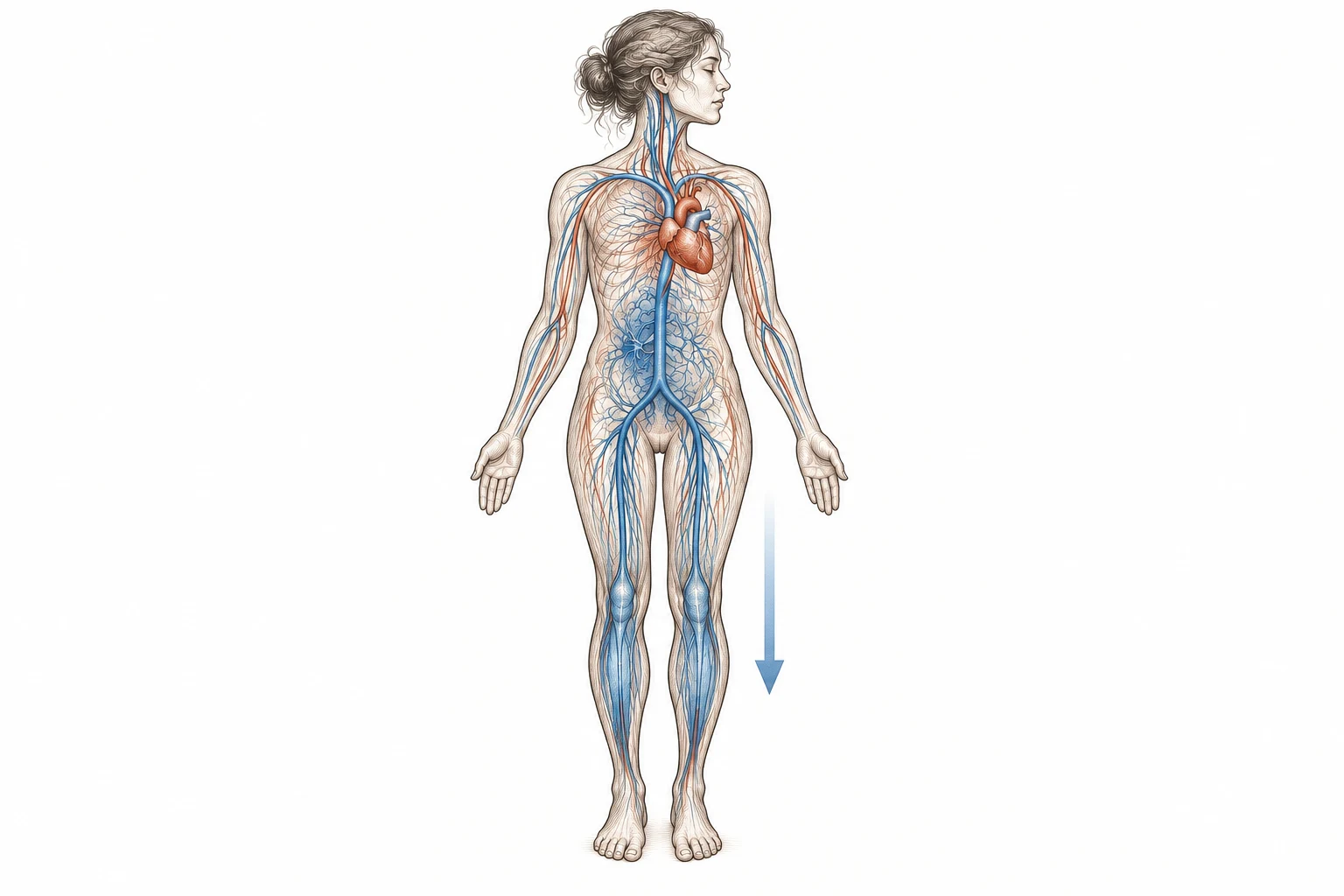
Before you visit: health and comfort guidance ↓
01 / SUPPORT FOR YOUR MOVEMENT
Assisted stretching and massage focus on muscle comfort and everyday movement. Chris adjusts your position, support, and pace to how you feel that day, alongside your POTS care.
A reclined position and supported limbs can make movement less demanding. In FST, Chris adjusts the angle, pace, and pressure with your feedback.
Gentle traction changes the load around a joint and may make a movement feel easier. Chris can reduce or leave it out when a joint needs more stability.
Tell Chris which movements feel difficult and what you would like to do more comfortably. Together, choose a useful starting point and review how it feels.
Comfort and control guide the session. If symptoms increase, Chris can change position, reduce the movement, take a break, or stop.
Bodywork can complement your medical and rehabilitation plan. It does not replace treatment for POTS.
Small studies suggest that abdominal and leg compression can improve upright symptoms for some people with POTS. Coverage, fit, and comfort affect how useful it is.
FST uses supported movement, pressure, and traction to work on comfort and mobility. Published research specific to FST for POTS is limited. Benefits for circulation or autonomic function are not yet well established.
POTS compression trial · The Ehlers-Danlos Society: movement and stretching · Adapting rehabilitation for POTS
02 / A SESSION BUILT AROUND YOU
You know your symptoms and what tends to help. Share that experience with Chris so you can plan the visit together.
Discuss positions that work for you, temperature preferences, and any guidance from your clinician. If you need specific assistance or equipment, check the arrangements with Chris before booking.
Let Chris know when you need a pause or a change. Dizziness, faintness, or a racing heart are reasons to stop and reassess, rather than continue the technique.
Allow time to move from the table to sitting and standing. If you notice delayed symptom worsening after activity or bodywork, share it with Chris and your care team before planning more.
Read more: Johns Hopkins: POTS
YOUR NEXT STEP
You do not need to select a technique before booking. The first visit gives you and Chris time to discuss your goals and begin suitable care.
Yes. Tell Chris which positions work best and when you need a pause. You can allow time to move from lying to sitting and standing.
Share positions that bring on symptoms, temperature needs, and clinician advice. The clinic and restroom are wheelchair accessible, and a support person is welcome. If you need help moving onto the table or specific equipment, call Chris before booking to discuss the support he can provide.
Care focuses on muscle comfort and movement alongside your medical plan. FST has not been established as a treatment for POTS circulation or autonomic symptoms.
FIRST-VISIT PRICES
New clients: choose “FIRST TIME CLIENT” in MassageBook.
First visits must be paid in full in advance.
Choose the amount of time that feels right for you. Both visits include a conversation, movement review, and hands-on care. The 90-minute option gives you another 30 minutes together.
The first 15–20 minutes are for your history, goals, and movement review. Hands-on care follows within your appointment time.
Your time is one-to-one with Chris in his private studio. The support, pace, and pressure follow your needs.
Optional kinesiology taping adds $20 to a first visit. DFR® is not usually needed at the first visit.
Returning client? Book your next sessionOPTIONAL READING
OPTIONAL READING
Standing asks your circulation to adapt to gravity. With POTS, that adjustment can bring a racing heart, lightheadedness, or fatigue. Understanding your pattern helps guide the position and pace of your session.
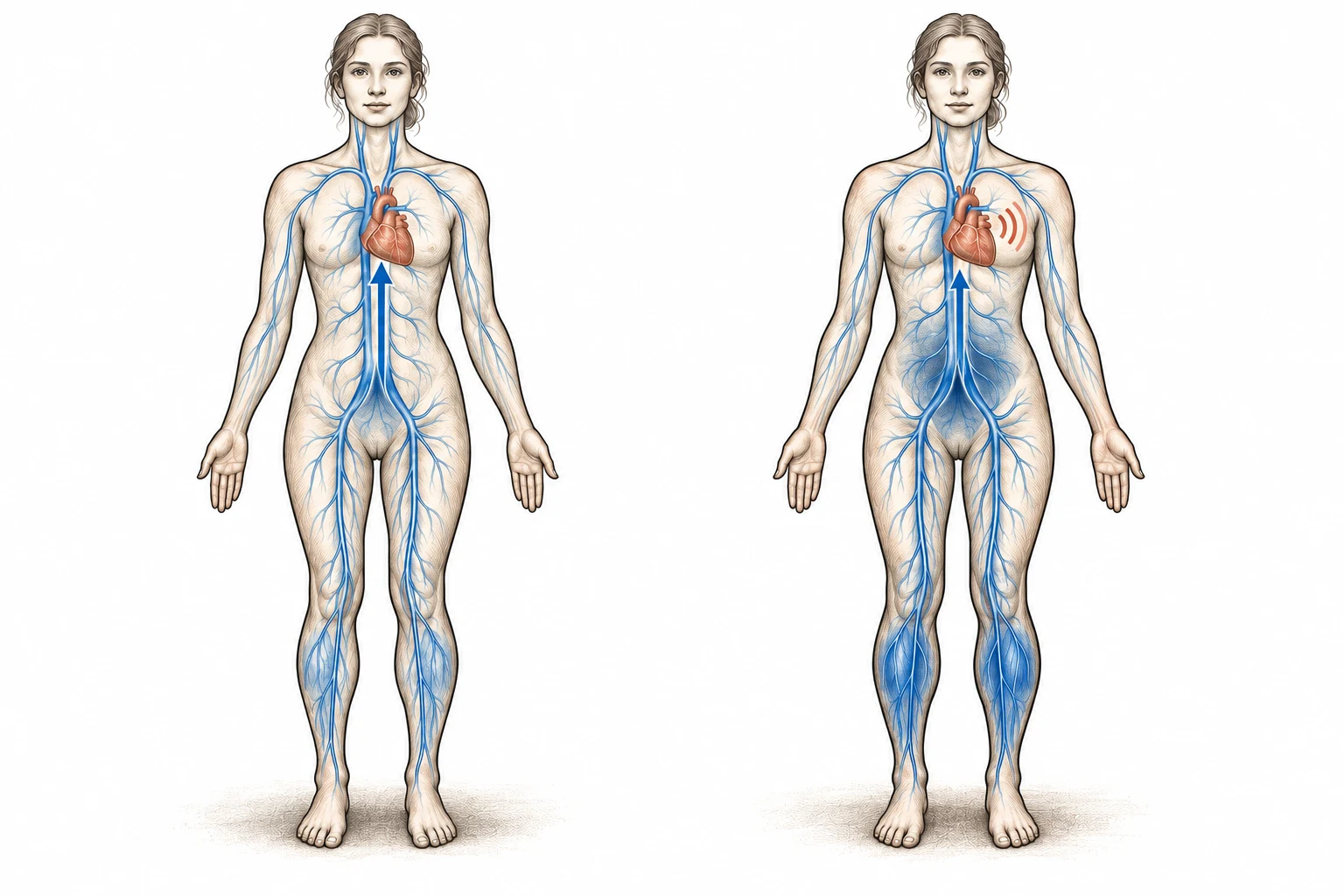
Blood-vessel responses and muscle activity help maintain blood return toward the heart.
More blood can pool below the heart. Less return can contribute to symptoms when upright.
POTS affects people differently. These are two ways to understand what can happen when you stand.
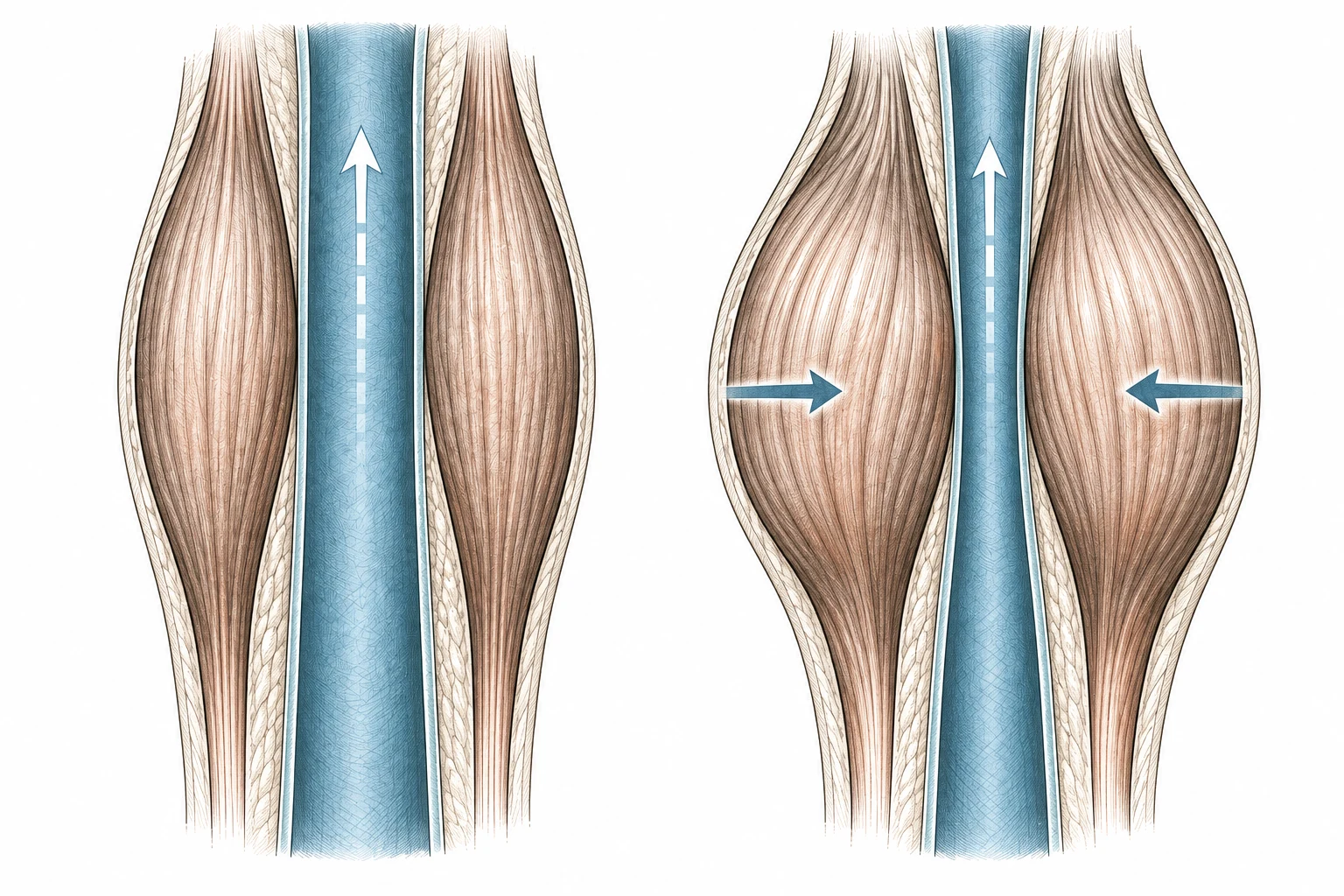
The surrounding muscle is relaxed.
Muscle pressure helps move blood toward the heart.
Muscle activity is one part of the system that supports blood return to the heart.
Prescribed compression garments are part of medical POTS care. Discuss fit and use with your treating clinician. These garments are separate from the hands-on support Chris provides.
Read more: Johns Hopkins: POTS · Muscle-pump physiology
Reviewed by Chris Corona · Review confirmed