HYPERMOBILITY · AUSTIN, TX

Support first.
Range with a purpose.

When joints move freely but muscles feel tired or tight, care starts with support. Chris checks how each area moves, then adapts hands-on care to your comfort, control, and energy.

Choose your first visit ↗
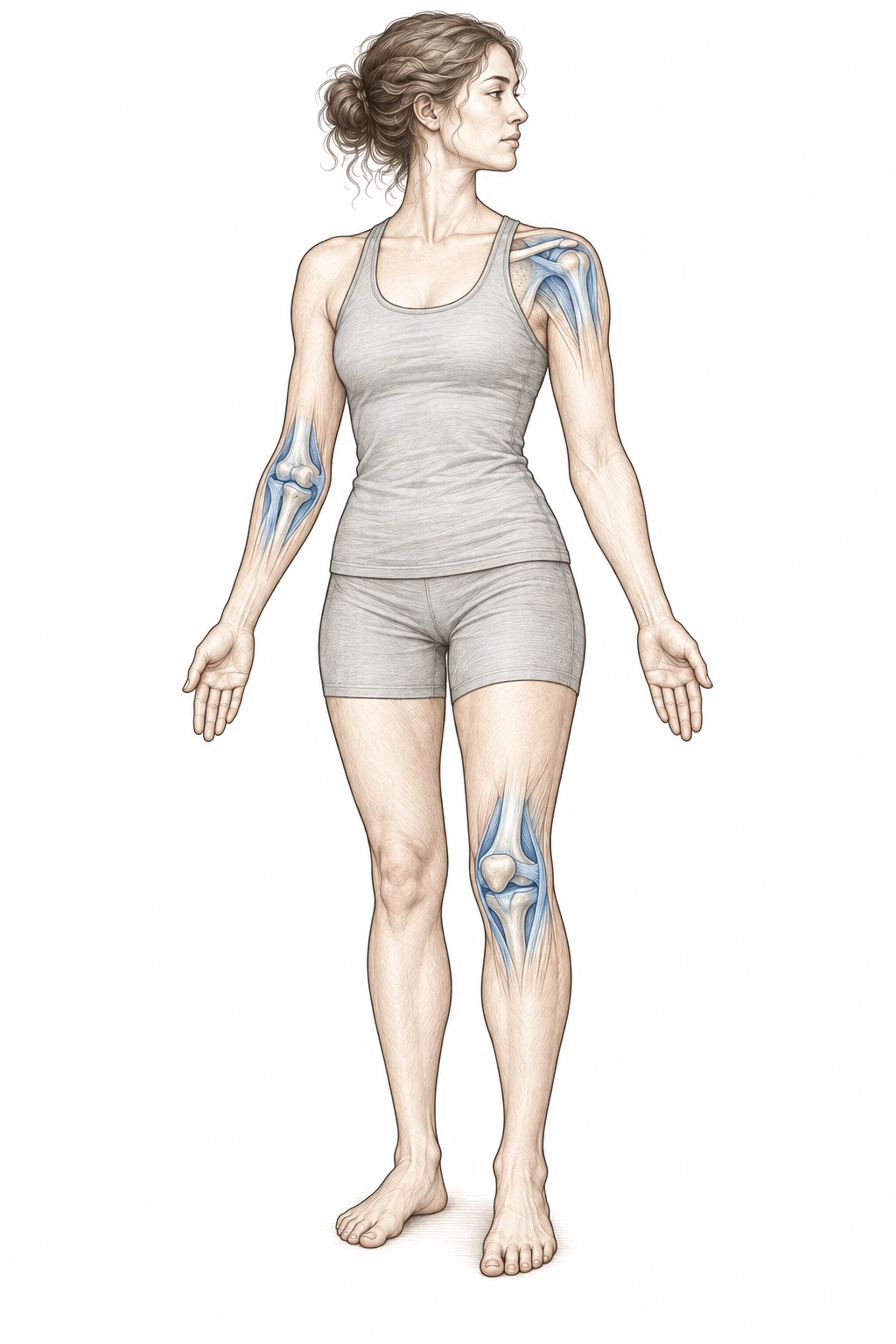
An upright figure with small anatomical views at the shoulder, elbow, and knee to illustrate care for separate joints.
Each joint has its own needs.

01 / SUPPORT · FASCIA · FEEDBACK

Care for each joint, one at a time.

Chris checks the range and response of each area involved in treatment. A loose joint may need support while nearby tight tissue needs gentle attention.

Care matched to your movement

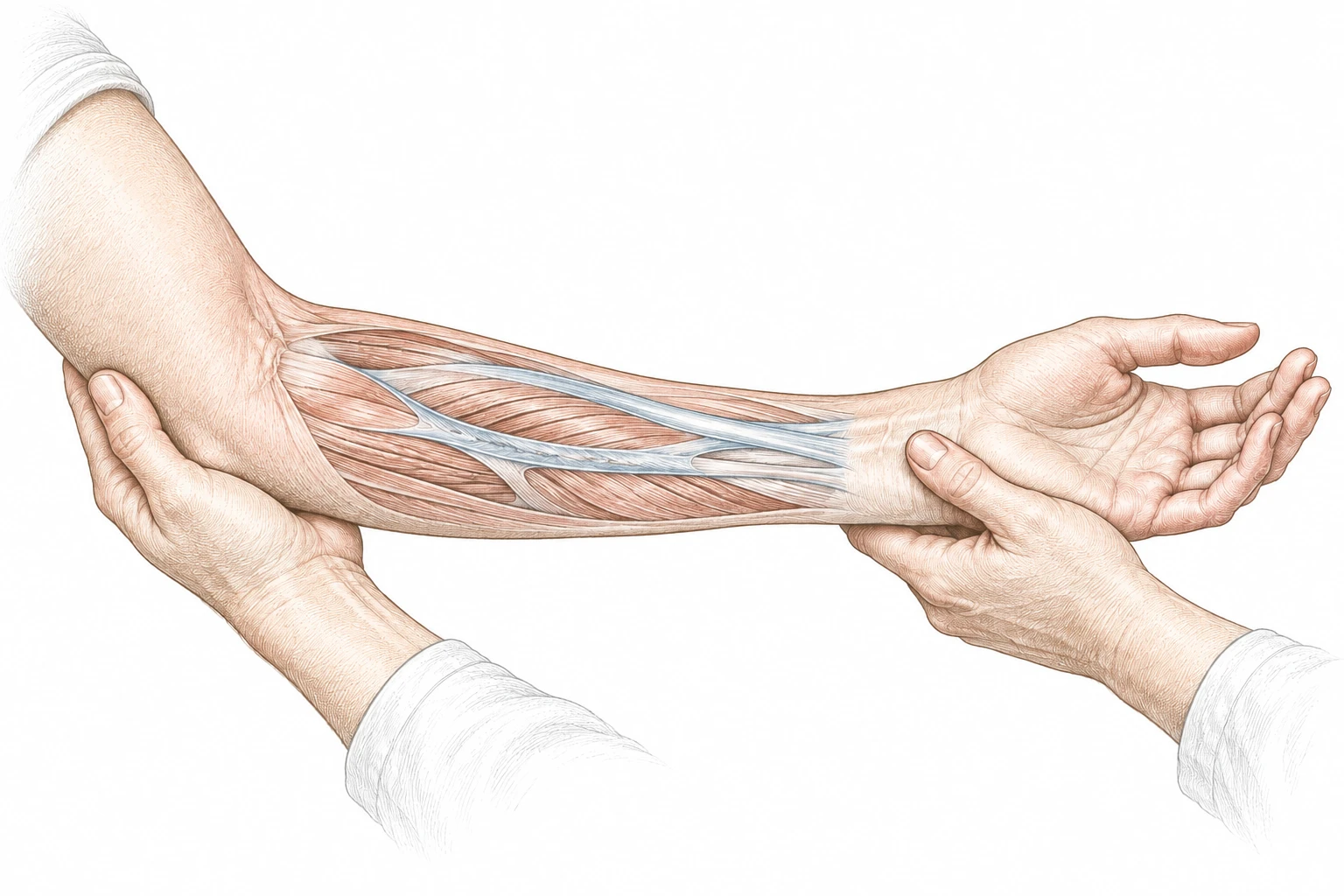
Hands support the elbow and wrist; a cutaway shows muscle and fascia along the forearm.

Support first. Then work with the tissue.

In FST, Chris supports the limb and controls the range while working with tight muscle and fascia. The aim is easier movement without pushing an already mobile joint farther. He adjusts or leaves out traction when a joint needs more support.

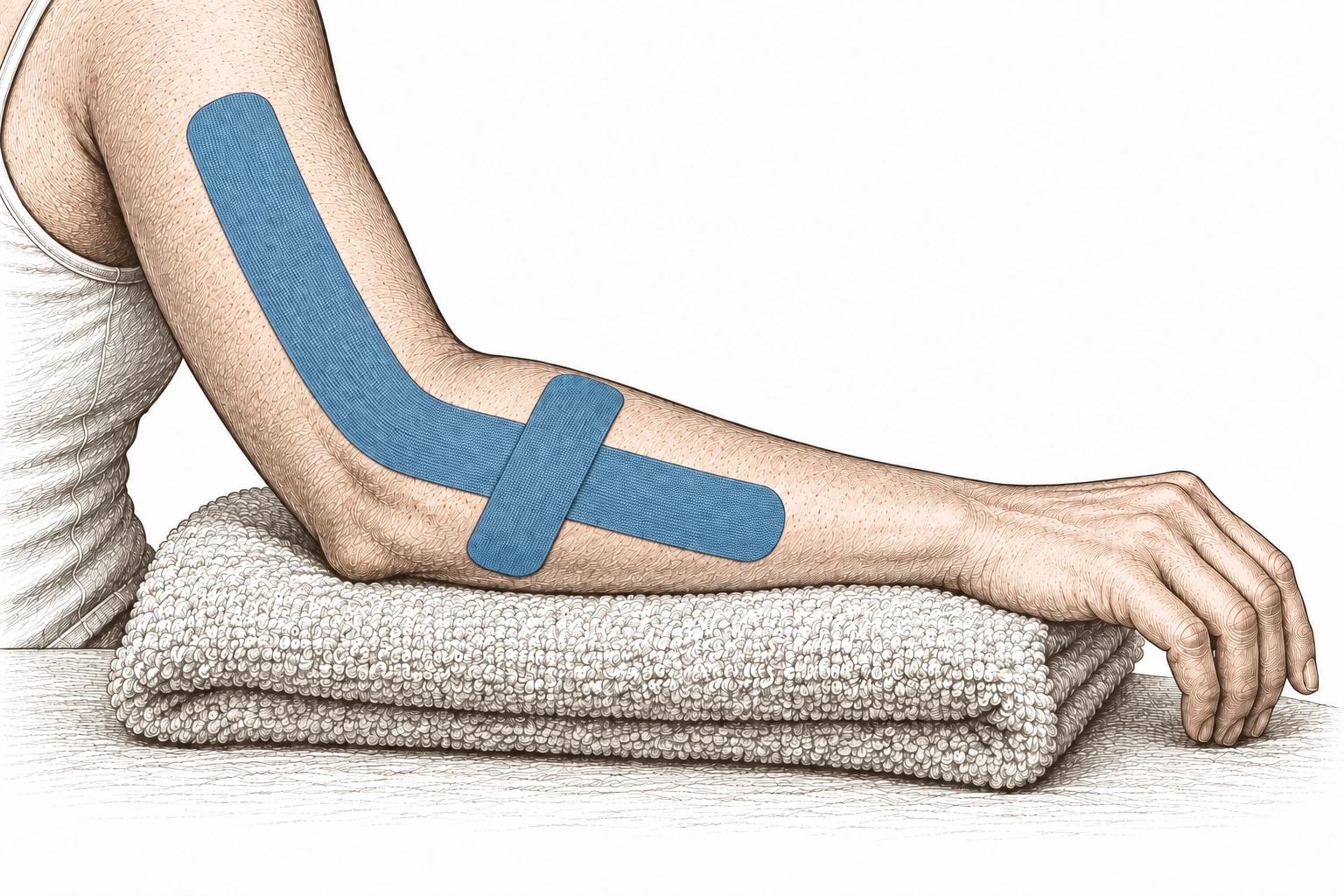
A relaxed arm rests on a towel with blue kinesiology tape around the elbow.

Tape can add a useful movement cue.

Taping can be helpful for some hypermobile clients. Its contact with the skin may improve comfort and awareness of movement. Chris checks how a familiar movement feels before and after taping and chooses the application for that area.

Each area can need something different

A mobile elbow does not tell us how a shoulder, wrist, or hip will respond. Chris uses your history, movement, and feedback to choose the support and amount of movement for each area.

Keep movement controlled

Chris uses slow movement and support to keep the work within a comfortable range. He can change the angle or leave out stretching where a joint already moves freely. Keep your physical therapist’s exercise guidance in the plan.

Keep prescribed strength and joint-control work in your plan. Hands-on care can support comfort alongside rehabilitation.

What does the research show?

Hypermobility guidance supports individual movement assessment, strengthening, and careful stretching of tight areas while more flexible areas are supported. This guidance does not establish a specific benefit from FST.

Research specific to FST for hypermobility is limited. Care here focuses on supported, comfortable movement alongside prescribed strengthening and joint-control work.

Taping may offer short-term comfort or movement feedback. Effects vary, and elastic tape does not provide the same restraint as a prescribed brace.

The Ehlers-Danlos Society: movement, stretching, and support · EDS UK: individual assessment and taping feedback

02 / YOUR ENERGY · YOUR FEEDBACK

A session that fits how you feel.

Tell Chris which daily movements matter to you, which joints feel unstable, and what your medical or rehabilitation team recommends.

Before care

Share past dislocations, sprains, surgery, and any diagnosed connective-tissue condition. Mention fragile skin or adhesive reactions before taping.

During care

Ask for a pause or a change in support when you need it. Pain or a feeling that a joint is slipping is a reason to stop and reassess. Seek medical assessment for a suspected dislocation or new injury.

After care

Follow the agreed tape wear and removal instructions. Remove it gently if skin becomes itchy, sore, or irritated. Tell Chris about delayed soreness or increased fatigue so the next visit can be adjusted.

YOUR NEXT STEP

Start with what
matters to you.

You do not need to select a technique before booking. The first visit gives you and Chris time to discuss your goals and begin suitable care.

Do I need to choose a treatment first?

No. Explain your goals and concerns to Chris. He will discuss suitable options and your preferences before care begins.

Do all my joints need stretching?

No. Hypermobility can vary from joint to joint. Chris checks each area involved in care and supports joints that already move freely.

What if I feel tight but already have a large range?

Tell Chris which areas feel tight and which feel unstable. He can support a mobile joint while working with nearby muscle tension. More range does not have to be the goal.

FIRST-VISIT PRICES

New clients: choose “FIRST TIME CLIENT” in MassageBook.

First visits must be paid in full in advance.

Choose the amount of time that feels right for you. Both visits include a conversation, movement review, and hands-on care. The 90-minute option gives you another 30 minutes together.

The first 15–20 minutes are for your history, goals, and movement review. Hands-on care follows within your appointment time.

Your time is one-to-one with Chris in his private studio. The support, pace, and pressure follow your needs.

Optional kinesiology taping adds $20 to a first visit. DFR® is not usually needed at the first visit.

Returning client? Book your next session

OPTIONAL READING

Understand the background.

Flexible joints can still feel tight.

OPTIONAL READING

Flexible joints can still feel tight.

Hypermobility means a joint moves beyond its usual range. It can affect a few joints or many. Some areas may feel loose while others feel stiff.

How a joint is supported

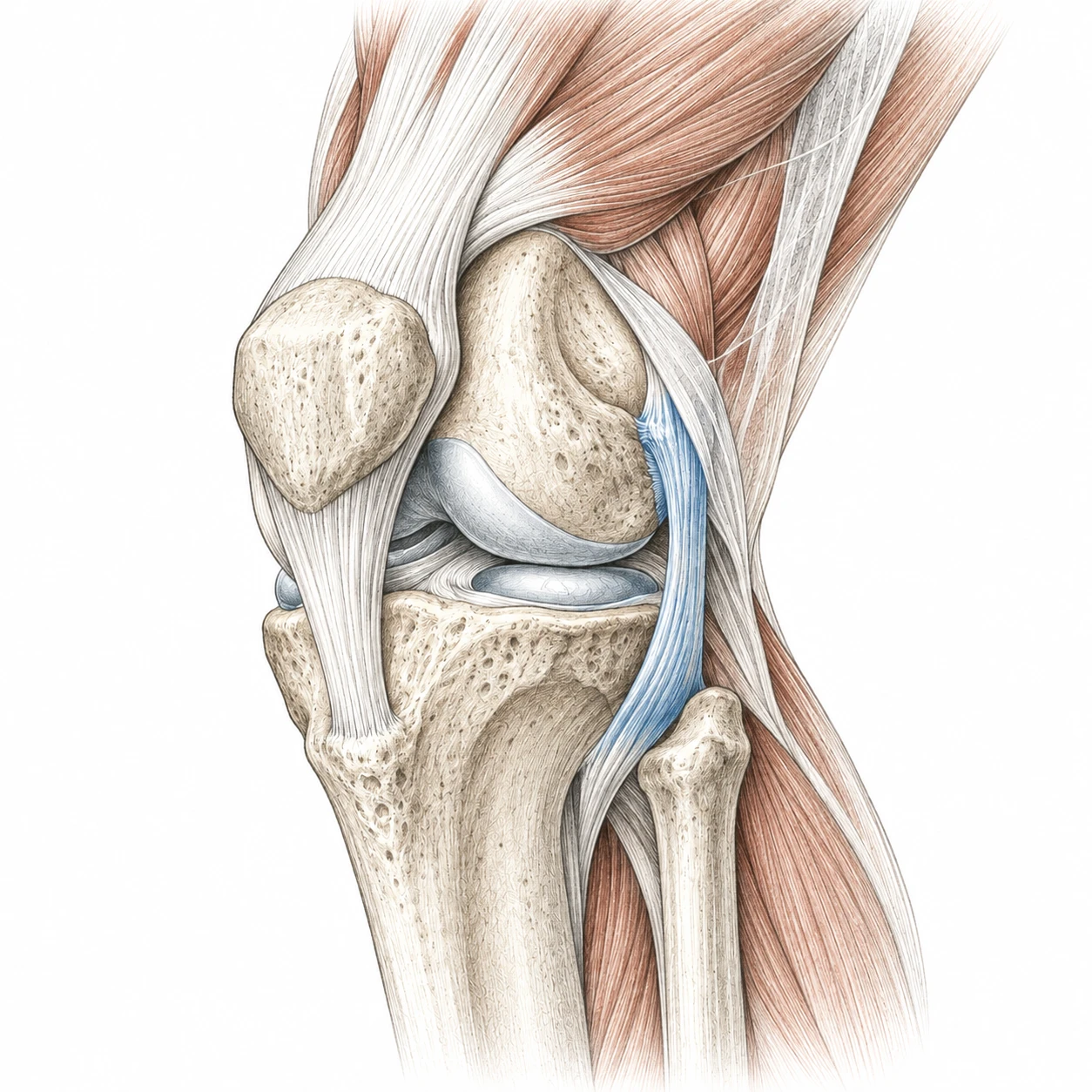
Simplified knee cutaway showing bone, a blue ligament, and surrounding muscle and tendon.

More movement. More muscle work.

Ligaments connect bone to bone and help limit joint movement. Tendons connect muscle to bone. When the tissues around a joint allow extra movement, muscles may work harder to keep it controlled. That effort can contribute to aching and muscle fatigue.

Fatigue has more than one cause

Extra muscle effort can be part of the picture. Pain, sleep problems, and other health conditions can also contribute to persistent fatigue. Share changes in your energy with your care team.

Tight does not always mean short

A muscle may feel tight because it is working hard to protect a joint. Chris checks comfort and movement before deciding whether an area needs support, gentle tissue work, or less load.

Read more: NHS: hypermobility and muscle fatigue · The Ehlers-Danlos Society: fatigue

Reviewed by Chris Corona · Review confirmed